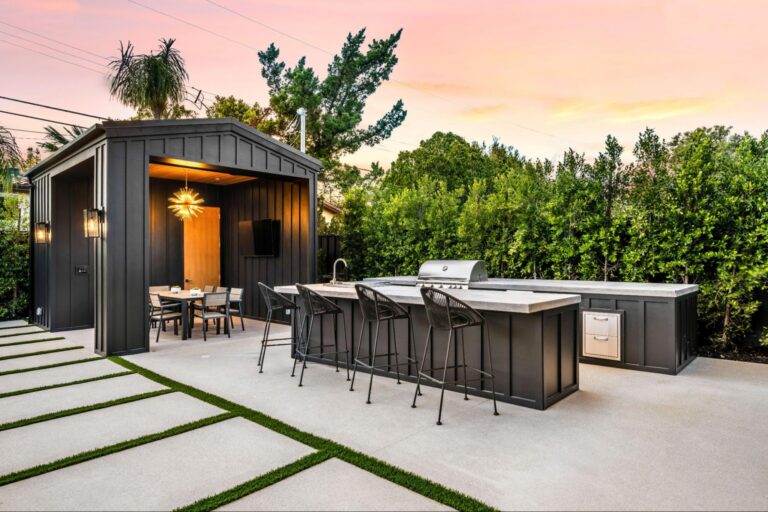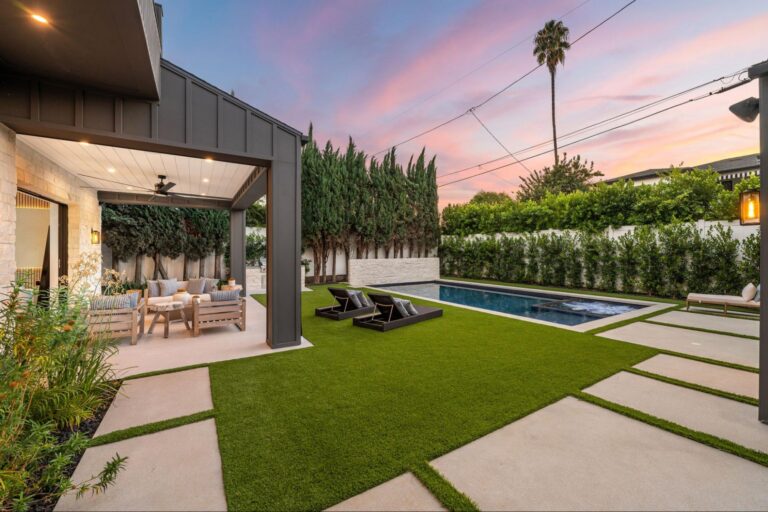

Small spaces are rarely the problem. What usually happens is that they’re not used well.
That’s where backyard remodeling changes the conversation, assigning purpose, improving movement, and making every part of the space usable. This blog post explains how to identify and transform underused areas so that even small spaces work efficiently and feel complete.
Start by Identifying Dead Space
Look closer, and you’ll usually find more usable space than expected:
- Narrow side yards between properties
- Corners behind sheds or storage units
- The strip along fences or walls
- Entry thresholds between indoors and outdoors
- Under-stair areas or elevated structures
- Small front entry setbacks
- Edges around patios that remain unused
- Rooftop or flat upper surfaces
- Transitional zones near doors or sliding panels
- Dead ends in walkways or circulation paths
Once a function is introduced, even a tight or irregular area can become part of the daily flow of the home.
Build Vertically Instead of Expanding Outward
When you can’t expand the footprint, you build in layers.
Vertical planting systems, raised planters, and structured green walls allow you to add depth without taking up usable ground space. Privacy elements can double as planting surfaces, and storage can be integrated into vertical design.
This approach keeps the floor area open while still adding function and texture.
Turn Narrow Areas Into Functional Corridors
Side yards and tight passages are often overlooked, but they’re some of the most important spaces to get right.
When properly graded and organized, they become circulation paths that connect the entire layout. Lighting can guide movement, while planting can soften edges without blocking access.
Anchor the Space With a Compact Patio
Even in small spaces, a patio creates structure.
Without it, everything feels temporary, and nothing really holds the space together.
A compact patio installation gives you a stable surface that defines where people sit, gather, and spend time. It becomes the anchor point for the rest of the layout.
Underneath, the work is the same as a larger installation. Excavation, base layers, compaction, slope control. In small spaces, precision matters even more because there’s less margin for error.
This is where working with a trusted landscaping services company in the Bay Area becomes important, because tight layouts require experience to avoid costly mistakes. Common issues include damaging adjacent structures or utilities during excavation, staining existing surfaces with concrete or base material, improper compaction that leads to shifting, poor slope that traps water near the home, and misaligned edges that throw off the entire layout.
Use Elevated and Overlooked Surfaces
Not all usable space is at ground level. Flat roof sections, elevated terraces, or even small upper-level outdoor areas can be turned into functional zones when designed properly. Load support, drainage, and surface stability all need to be considered.
In these cases, a professional landscaping contractor can reinforce the surface to handle weight, integrate proper drainage layers to prevent water buildup, and install lightweight systems that won’t overstress the structure.
They can also create defined layouts using modular decking, planters, seating areas, or compact outdoor living setups that make the space usable without overloading it. Access points, safety edges, and transitions between indoor and outdoor areas are also planned so the space feels connected and secure.
These spaces often end up being some of the most private and usable areas in the property.
Redefine Entry and Front Transitional Spaces
Small front areas are often treated as decorative, but they can do much more.
With the right layout, they can become usable seating areas, planted zones, or defined entry sequences that guide movement into the home.
These spaces also shape first impressions. When they’re organized, the entire property feels more intentional and can positively influence the overall market value of the home.
Integrate Automation to Free Up the Space
In smaller layouts, maintenance becomes more noticeable. Hoses, manual watering, and constant adjustments take up time and physical space. But automating systems like drip irrigation removes that friction.
Water gets delivered where it’s needed without oversaturating the area. Movement stays clear. Surfaces stay dry and usable.
Automation doesn’t just save time. It protects the layout from overuse and keeps the space consistent. Many plants fail simply because they receive too much or too little water, and automated drip irrigation systems solve that by delivering the exact amount needed, keeping the garden alive, balanced, and easier to maintain without constant adjustment.
A landscaping services team like Westack Landscaping can plan these systems early so they’re integrated into the design instead of added later.
Small Spaces Require More Precision, Not Less
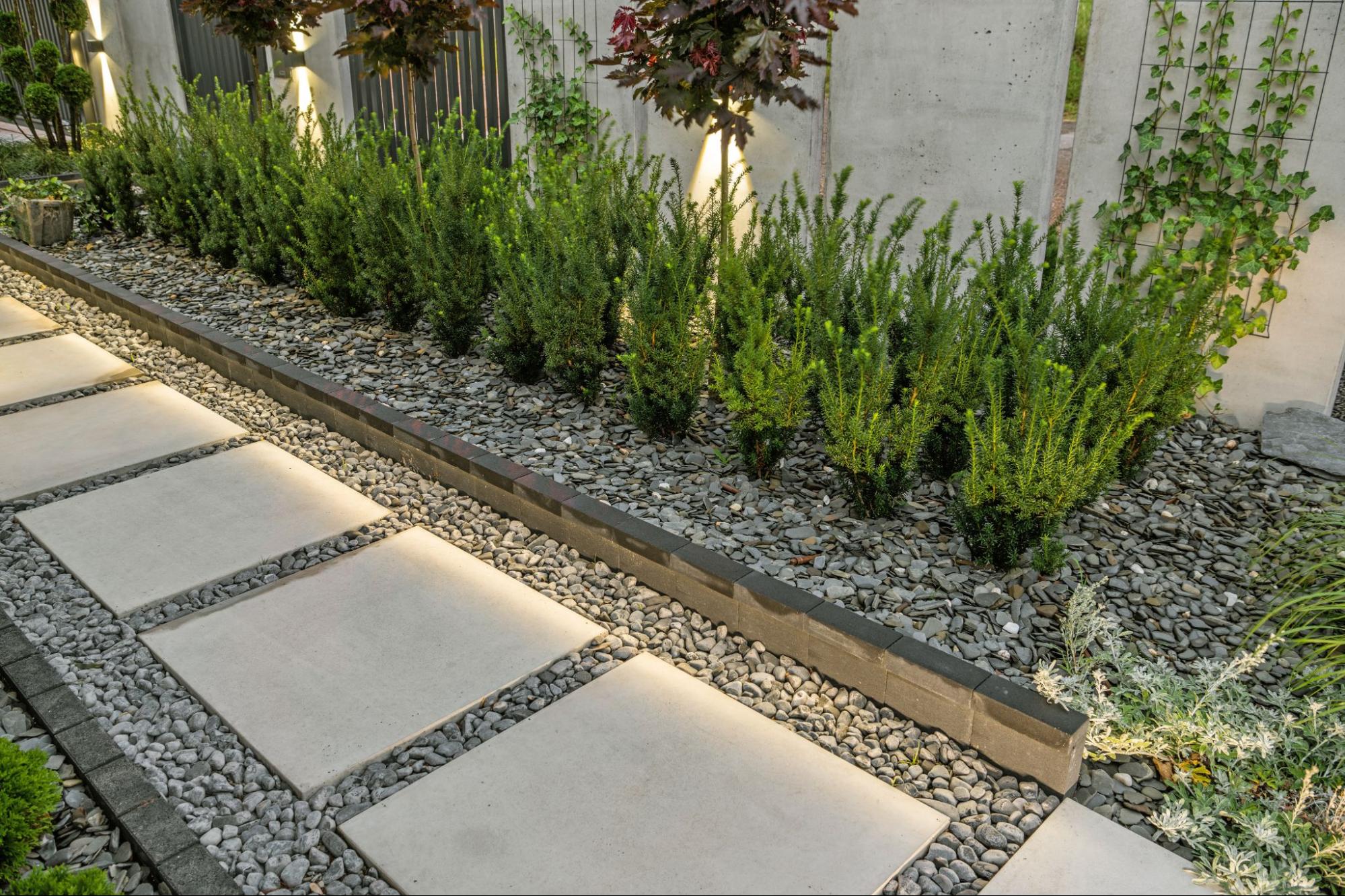
In larger yards, small mistakes can go unnoticed. In smaller spaces, everything is amplified.
A slight grading issue can cause water to pool quickly. Poor spacing can make the area feel cramped, and incorrect proportions can disrupt movement.
That’s why planning matters more, not less. The sequence of work also becomes critical. Grading first. Then, base preparation. Then the layout. Then finishes. Skipping steps or doing them out of order usually leads to rework.
When It Makes Sense to Bring in a Contractor
Small projects often look simple, but they’re not always easy to execute correctly.
Anything involving patio installation, drainage, structural layout, or integrated design benefits from professional planning. The tighter the space, the more important each decision becomes.
Many homeowners reach out to Westack Landscaping when they realize the space is there, but the layout isn’t working. The goal is to make it usable.
Frequently Asked Questions
How do you effectively remodel a small backyard?
Start by defining zones, improving circulation, and using vertical space instead of expanding outward.
What is the best layout for a small outdoor space?
A layout that separates seating, movement, and planting areas while keeping clear pathways works best.
Do I need a contractor for a small backyard remodel
If the project involves grading, patio installation, or drainage, a contractor is usually needed.
Can small spaces include patio installation?
Yes, even compact patios can anchor the layout and improve how the space is used.
How can I make a small yard feel bigger?
Clear circulation, defined zones, and vertical design can make small spaces feel more open and usable.