
Most homeowners think about design, price, timeline, and maybe materials, not licensing, until something goes wrong.
But licensing usually only becomes important after a drainage problem shows up, or a patio starts shifting, or a project triggers an inspection question during a home sale.
That’s when the difference becomes clear.
This post explains why hiring a licensed landscaping company matters, especially when the work involves grading, artificial turf installation, hardscaping, or full backyard remodeling.
Landscaping Isn’t Just Cosmetic Work
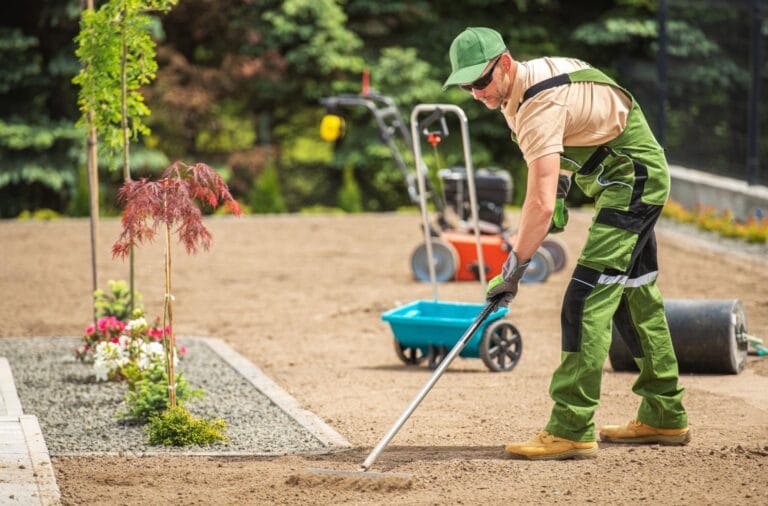
Many outdoor projects look simple on the surface. Remove grass. Install turf. Add patio pavers. Build a retaining edge. But the moment excavation starts, it becomes structural.
Grading changes how water moves, base preparation affects how surfaces hold weight, and drainage corrections can impact neighboring properties. That is more than gardening; that is construction. It can involve cutting and reshaping elevations by inches so runoff flows correctly, excavating unstable soil, installing compacted aggregate base in controlled layers, setting edge restraints, integrating drain lines, and tying surfaces into existing hardscaping without creating weak points.
A licensed landscape company operates within that reality. They are adjusting slope tolerances, calculating load distribution for patio pavers, managing soil compaction rates, and ensuring artificial turf installation performs as a structural system.
That level of work requires trained crews, proper equipment, insurance coverage, and licensing oversight because it directly affects how the property functions long term.
Licensing Means Accountability
In California, landscaping projects above certain cost thresholds require a licensed contractor.
The reason is straightforward. When work involves structural changes, liability exists.
Improper grading can push water toward a foundation. Poor compaction can cause surfaces to settle, and weak edge restraint can create trip hazards. These conditions can lead to structural damage such as foundation cracks, slab settlement, retaining wall failure, soil erosion beneath hardscaping, and water intrusion into crawl spaces or basements.
Over time, these issues can diminish property value, void manufacturer or structural warranties, create conflict with neighboring properties due to redirected runoff, increase insurance claim disputes, delay resale transactions during inspections, and trigger costly corrective construction that could have been avoided with proper installation from the start.
A licensed landscaping contractor carries insurance and operates under regulatory oversight. If something fails, there is a framework for accountability.
Without that, the homeowner may carry the risk.
Permits and Future Property Sales
Backyard remodeling has become more common, often including outdoor kitchens, extended hardscaping, drainage modifications, and structural retaining elements.
Some of this work can require permits depending on the scope and location.
If the work is unlicensed or improperly documented, it can create complications later during inspections, refinancing, or resale.
A licensed landscaping company understands when these factors apply and addresses them before work begins, not after.
The Difference Between a Gardener and a Contractor
There is nothing wrong with gardening. Maintenance matters. But maintenance and structural installation are not the same thing.
While a gardener maintains what already exists, a licensed landscaping contractor builds what doesn’t.
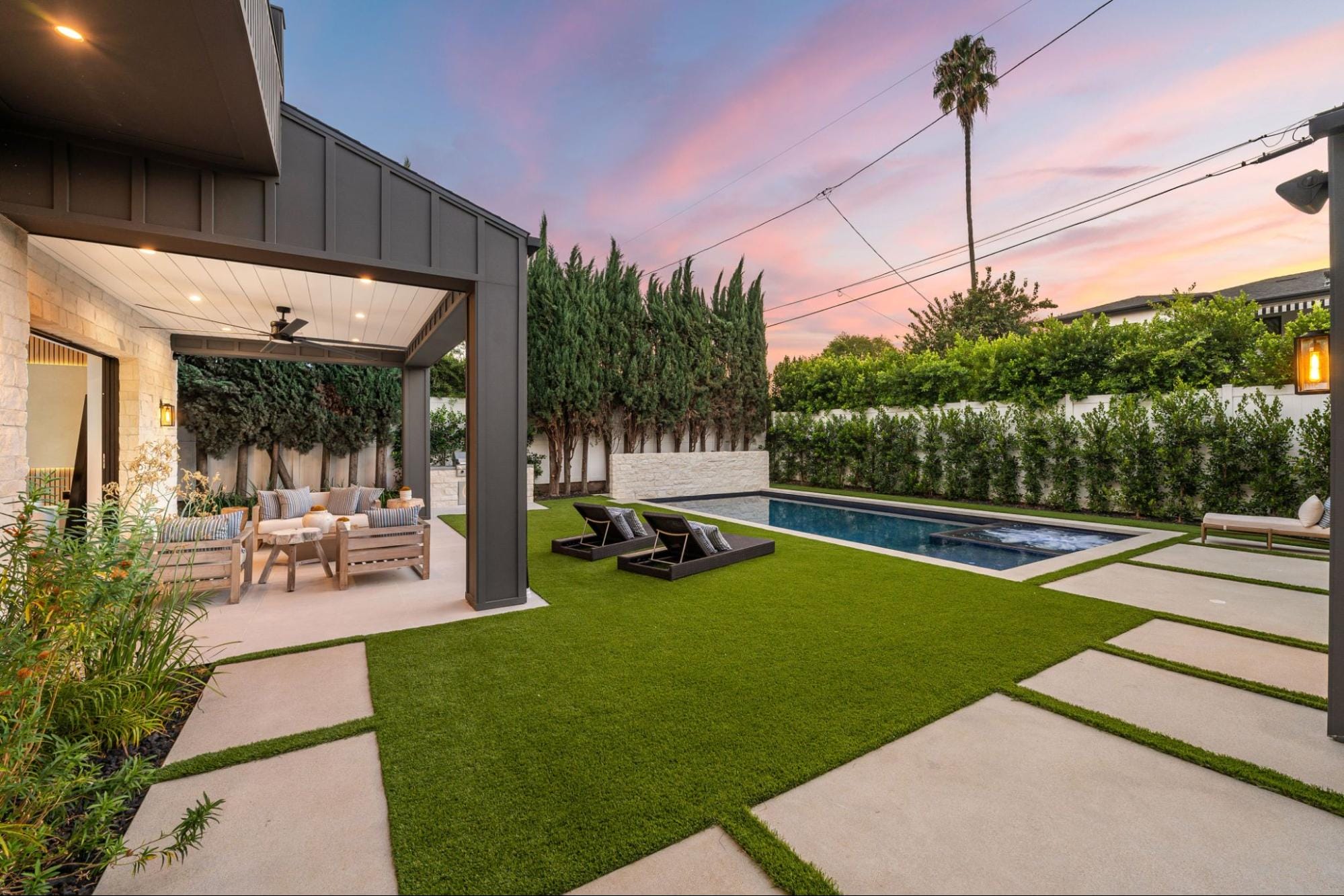
When a project involves artificial turf installation, patio pavers, or backyard remodeling, the job is no longer about trimming and planting. It’s about excavation, compaction, slope management, and structural integrity.
That difference shows up years later, when one yard still feels solid, and another feels like it needs correction.
Many homeowners in San Jose and San Mateo reach out to a trusted landscape company like Westack Landscaping when the project moves beyond surface updates and into structural work that needs to hold up long-term.
Insurance Is Not Just a Form
If a worker is injured on site or if property damage occurs, licensed contractors carry appropriate coverage. That shifts financial exposure away from the homeowner.
Unlicensed work may appear less expensive at the start. The risk is rarely visible until something unexpected happens.
Long Term Performance Is the Real Difference
Well-executed landscaping services protect property value.
Uneven surfaces, drainage issues, unstable hardscaping, or improperly installed turf can raise questions during resale or inspection.
Licensed contractors approach landscaping as part of the property and its value.
Homeowners often choose Westack Landscaping because licensing, insurance, and structural expertise matter more than simply getting the work done quickly.
Frequently Asked Questions
Do landscaping contractors need a license in California
Projects involving structural work or exceeding cost thresholds typically require a licensed contractor.
What risks come with hiring an unlicensed landscaping company
You may assume liability for injuries, property damage, or noncompliant work.
Does artificial turf installation require a license
When it involves excavation, grading, and structural base preparation, it often falls under licensed contractor work.
Can backyard remodeling require permits?
Certain structural or drainage changes may require permits depending on the scope.
Is licensing important for residential landscaping
Licensing provides accountability, insurance protection, and compliance oversight.