If you have lived in San Jose for a while, you probably already know that backyards here get long, dry stretches, very little rainfall, and soil that feels like clay when you try to dig into it.
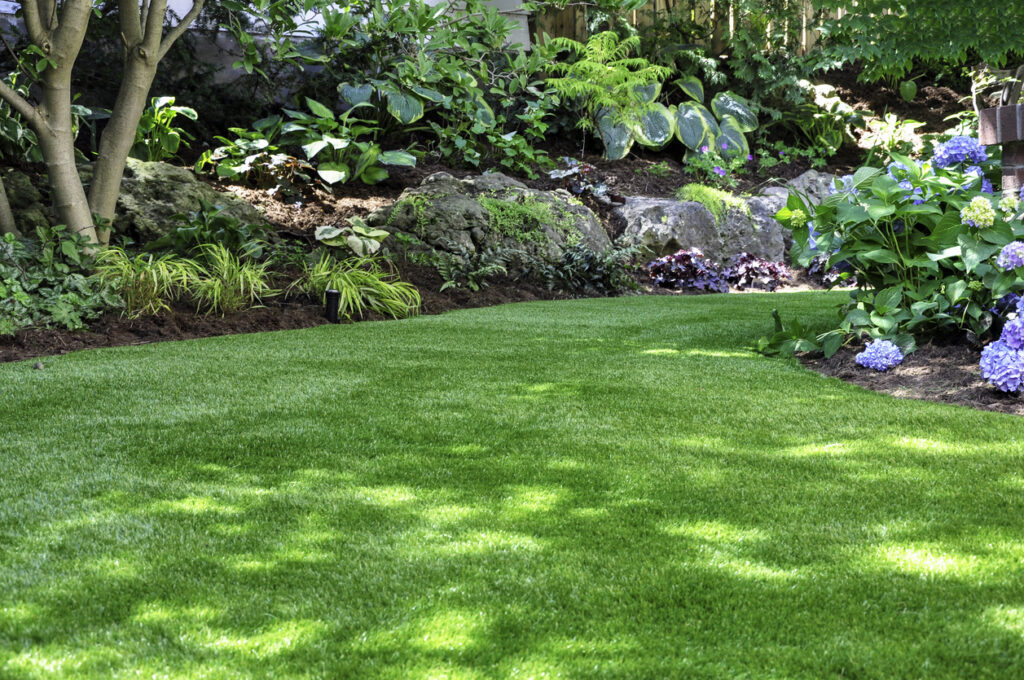
That is exactly why more homeowners are blending artificial turf with drought-smart plants. You get a green, usable yard without having to fight the climate. And with the right mix of plants, that turf backdrop looks natural, not artificial.
Why Drought Smart Landscaping Works So Well in San Jose
San Jose has a classic Mediterranean pattern. Rain shows up mostly in the winter, then nearly disappears once the heat rolls in. Traditional lawns hate that pattern. They burn out, thin out, or need more water than most people want to give. Drought-tolerant plants, on the other hand, are built for this rhythm.
Pairing these plants with artificial turf gives you the best of both. The turf creates a clean, functional space, and the plants soften the edges and bring the yard back to life. If you want a full yard redesign, Westack Landscaping can map out both the turf and plant zones so everything works together instead of competing for space.
Understanding San Jose Microclimates and Soil Conditions
One thing most people do not realize is how many microclimates San Jose has. Some streets warm up fast and stay hot, while a yard just a few blocks over might sit in the shade half the day. The soil changes, too. Some spots have compact clay, others have pockets of sandy loam.
Clay is the most common and the most stubborn. It drains slowly and compacts easily, which means planting beds need organic matter mixed in before you expect anything to grow. Turf sits on its own engineered base, so it is less picky, but the planting beds still need prep. When Westack designs these blended yards, we separate the zones so the turf has its solid foundation and the plants have aerated soil they can actually push roots through.
Choosing Artificial Turf That Supports a Drought Smart Design
When you are pairing drought-tolerant plants with turf, the type of turf you choose matters more than you might think. Some turf has a cooler tone, some warmer. A slightly varied green looks more natural beside silvery plants like Artemisia or the blue tones of Festuca.
Drainage is the other big factor. San Jose yards do better with turf backings that drain quickly because of how heavy our soil is. If your backyard gets a lot of sun, choosing a turf material that stays cooler makes the space far more comfortable.
Drought Smart Plants That Thrive Beside Turf in San Jose
Native California Grasses and Groundcovers
Native grasses transition beautifully from turf to planting beds. They look like they belong here because they do.
- Carex pansa spreads softly and handles low water.
- Festuca rubra adds a light, fine texture.
- UC Verde buffalo grass is a low-water option that can tolerate heat.
Shrubs and Perennials Suited for Reduced Water Use
These are the backbone of a drought-smart garden.
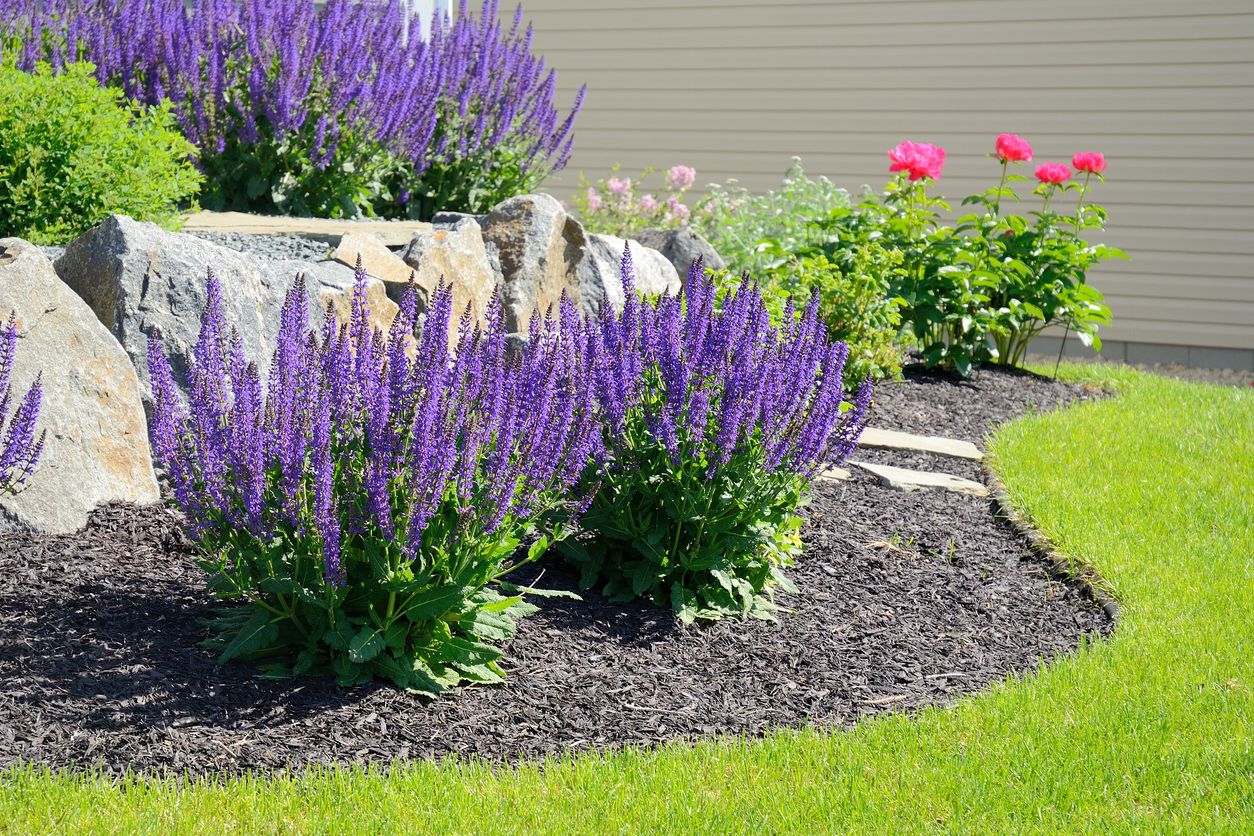
- Salvia is known for long blooms and pollinator activity.
- Lavandula gives scent and color with very little water.
- Ceanothus offers an evergreen structure.
- Artemisia brings silver-toned foliage.
- Penstemon adds height and hummingbird-friendly color.
Structural Plants for Texture and Contrast
This is where the design gets interesting.
- Phormium adds height and movement.
- Agave and Yucca bring sculptural shapes.
- Cistus and Leucadendron create bold outlines and lasting structure.
These plants balance nicely with the softness of the turf.
Small Trees Ideal for San Jose Backyards
Small trees help create shade and structure without overwhelming a backyard.
- Crape myrtle offers seasonal flowers.
- Olive trees give a classic Mediterranean feel.
- Desert willow handles heat incredibly well.
- Western redbud adds spring color and does fine in clay soil once established.
Designing the Layout: Balancing Turf with Planting Zones
Creating Functional Zones for Play, Dining, and Relaxation
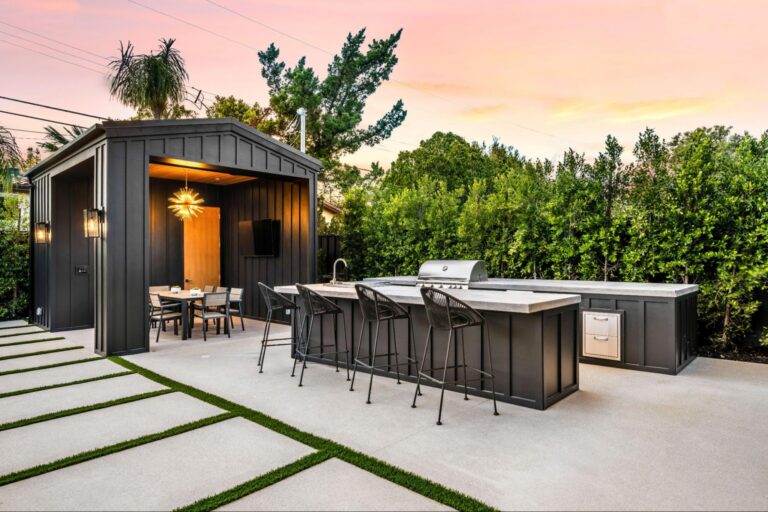
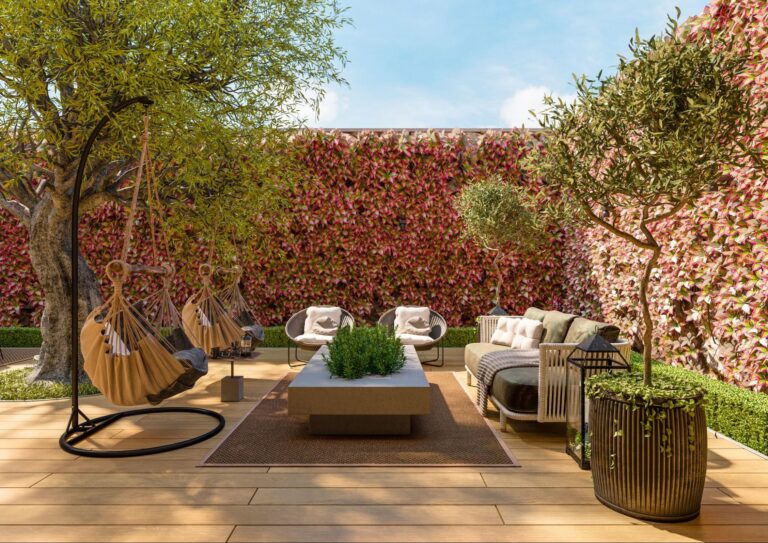
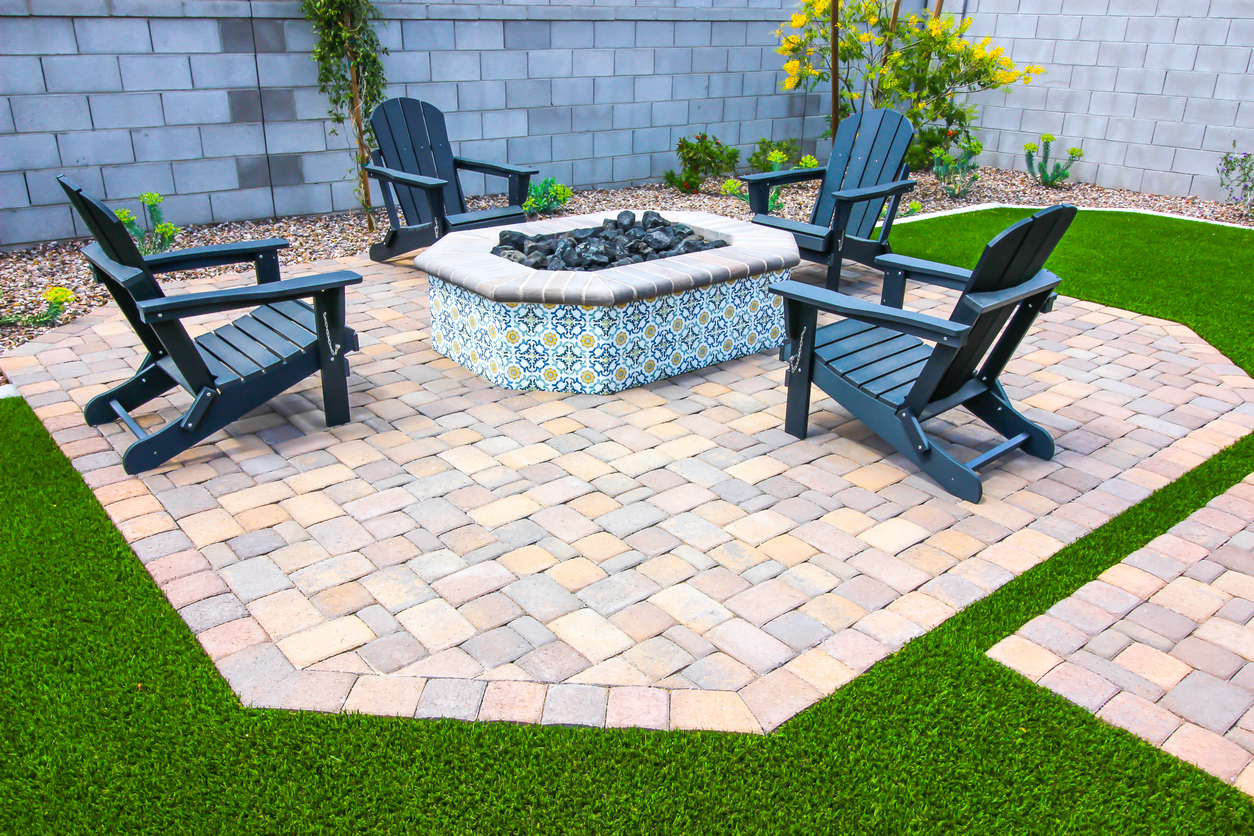
Most backyards benefit from a simple breakdown. Turf is usually the activity zone. Planting beds frames that space with privacy and texture. If you want help shaping these zones, Westack Landscaping can sketch out a layout that works with the way your family uses the yard.
Soil Amendment and Mulch Strategy
Amending planting beds makes a big difference, especially in clay soil. Compost opens up the soil so roots can breathe. Mulch keeps moisture in and weeds out. Drip irrigation below the mulch uses far less water than overhead sprinklers.
Pathways, Edging, and Hardscape Transitions
Clean transitions make the whole design feel intentional. Pavers, gravel bands, or metal edging keep the turf from lifting and stop plants from wandering into the turf area.
Smart Irrigation Techniques That Support Drought Smart Plants
Drip Irrigation for Planting Beds
Drip irrigation is the most efficient system for low-water landscapes. It delivers water directly to the roots without waste.
Moisture Sensors and Seasonal Adjustments
Overwatering drought-tolerant plants is a common mistake. Moisture sensors help keep the schedule balanced, especially as seasons shift.
Grading and Drainage in a Mixed System
Proper grading keeps planting beds moist without letting runoff pour onto your turf. Good drainage design protects both areas. Westack can design the irrigation and drainage layout so each zone stays healthy on its own.
Maintenance Tips for Long-Lasting Turf and Drought-Smart Gardens
Seasonal Pruning and Plant Refresh
Native shrubs and drought-tolerant perennials usually need pruning once or twice a year to keep shape and encourage new growth.
Annual Turf Grooming
A yearly power brush keeps your turf looking fresh and natural. Checking seams and edges prevents small issues from becoming large ones.
Soil Health Checks
Refreshing mulch each year helps protect plant roots and reduces evaporation. Light aeration in planting beds keeps the soil loose and healthy.
Why San Jose Homeowners Choose Westack Landscaping
Backyards in San Jose need a design that respects the climate. Westack Landscaping has years of experience pairing turf with drought-smart plant palettes that actually thrive here. The team handles design, installation, soil prep, irrigation layout, and everything in between.
If you want a backyard that looks good year-round without high water use, Westack can walk you through what will work best in your microclimate. This is a landscape approach that fits San Jose and keeps its beauty without the constant upkeep.
If you are thinking about updating your backyard, Westack can help you build a plan that feels natural, low-maintenance, and ready for everyday use.
Frequently Asked Questions About Turf Installation and Landscaping in the Bay Area
How do I know if artificial turf is right for my yard?
Homeowners choose turf when they want a clean, usable backyard without high water use or constant maintenance. If your yard has patchy grass, heavy shade, clay soil, or ongoing irrigation issues, turf is usually the more reliable option. A quick site visit from Westack Landscaping can confirm drainage, soil conditions, and layout needs before installation.
How long does professional turf installation take?
Most residential installations take one to three days, depending on access, grading, and the size of the project. Smaller backyards often finish in a single day. Larger yards or homes that need drainage upgrades may take slightly longer, but the crew will give you a clear schedule before work begins.
What does turf installation cost in San Jose and nearby cities?
Pricing depends on base preparation, square footage, turf variety, and any hardscape or planting upgrades included. Homeowners often combine turf with pavers, irrigation updates, or new planting beds, which changes the total. Westack provides written estimates with full material and labor breakdowns so you know exactly what you are paying for.
Can turf be installed alongside drought-tolerant plants?
Yes. Turf and drought-smart plants work extremely well together in the Bay Area. The key is placing planting beds on amended soil with drip irrigation and keeping the turf on its own engineered base. This prevents drainage conflicts and gives the yard a clean, natural look. Westack designs both elements as one integrated system.
What maintenance does artificial turf need after installation?
Turf requires light brushing, rinsing, and occasional infill refresh. Most homeowners rinse debris once or twice a month and schedule a professional groom every year. This keeps the blades upright and ensures seams and edges stay tight. Pet areas may need occasional enzyme treatment.
How long does artificial turf last?
Quality turf installed on a properly compacted base typically lasts twelve to fifteen years. The lifespan depends on foot traffic, pets, sun exposure, and the materials used. Professional installation plays a major role in durability, especially at the seams and drainage base.
Do I need permits for turf installation in the Bay Area?
Most residential turf installations do not require permits, but some HOAs have guidelines for front yards, plant selections, and edging materials. Westack reviews your local rules and makes sure the project meets all regulations before work begins.
What should I look for when choosing a turf installation company?
Look for licensed, insured contractors with real Bay Area project experience, strong reviews, and clear written estimates. Ask about their base preparation, compaction method, seam techniques, turf brands, and warranty coverage. Westack Landscaping meets all of these standards and provides full-service design and installation.