
Most homeowners reach out to a professional landscaping company after realizing the yard problems are connected. One fix leads to another issue. A surface looks better for a while, then something shifts or drains poorly. Over time, it becomes clear that the space needs a real plan.
Hiring a landscaping contractor is usually less about adding features and more about understanding what is happening across the property.
When Homeowners Decide to Hire a Landscape Company
The decision often comes after repeated attempts to improve the yard without lasting results. Areas that stay damp. Walkways that move. Sections of the yard that never feel usable.
At that stage, landscaping services become a way to diagnose the space rather than guess at solutions.
What Happens During the First Evaluation
The first visit is focused on observation. How the yard is laid out. Where water travels. Which areas receive the most use?
This review helps identify whether artificial turf installation, patio pavers, or a broader backyard remodeling approach makes sense. It also explains why earlier changes may not have held up.
How Scope and Priorities Are Set
After the evaluation, the landscaping company outlines what should be addressed first. Not everything needs to happen at once.
In residential landscaping projects, early work often involves correcting the grade or layout before installing new surfaces. This approach reduces the risk of rework later.
Project Timing and Expectations
Once the scope of work is clearly defined, timelines usually become much easier to understand. That does not mean every landscaping project moves at the same pace. Some phases happen quickly, while others take longer depending on site conditions, materials, and local requirements.
Homeowners should expect work to follow a sequence, not a straight line.
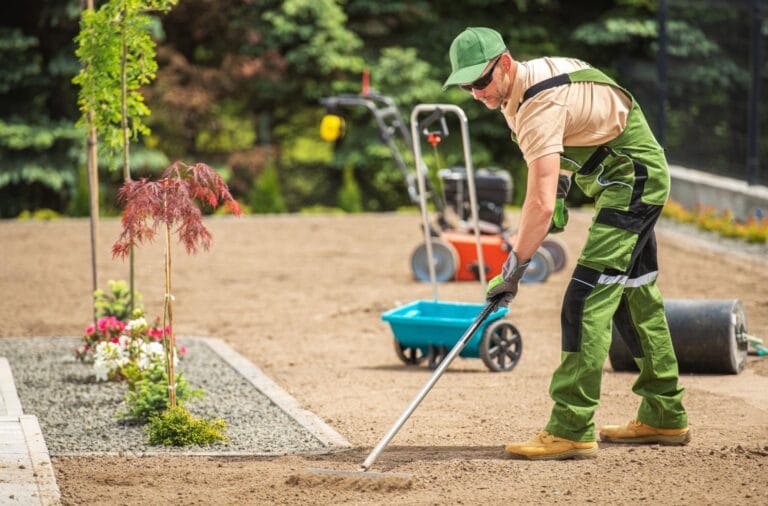
Early stages such as demolition, grading, and preparation often move fast but can look disruptive. These steps are necessary and difficult to rush without creating problems later. Surface installation and finishing work tend to take longer, especially when precision and curing time are involved.
Several factors commonly affect timing:
- Site conditions that are uncovered once work begins
- Material availability or delivery schedules
- Weather conditions that affect grading or compaction
- Inspection or approval requirements for certain types of work
In many areas, landscaping work that involves grading, drainage changes, retaining structures, or hardscape installation may be subject to local building rules.
Homeowners should expect a professional landscaping company to flag when permits, setbacks, or inspections apply.
This is also where red flags become easier to spot.
Homeowners should be cautious if a contractor:
- Promises exact timelines before evaluating the site
- Suggests skipping preparation or base work to save time
- Avoids discussing drainage or grading impacts
- Claims, permits, or inspections are never required
A professional landscaping company will explain what can move quickly, what cannot, and why. Clear communication around timing helps homeowners plan around the work, manage expectations, and avoid reacting to delays that are part of the process rather than a sign of trouble.
Installation and On-Site Work
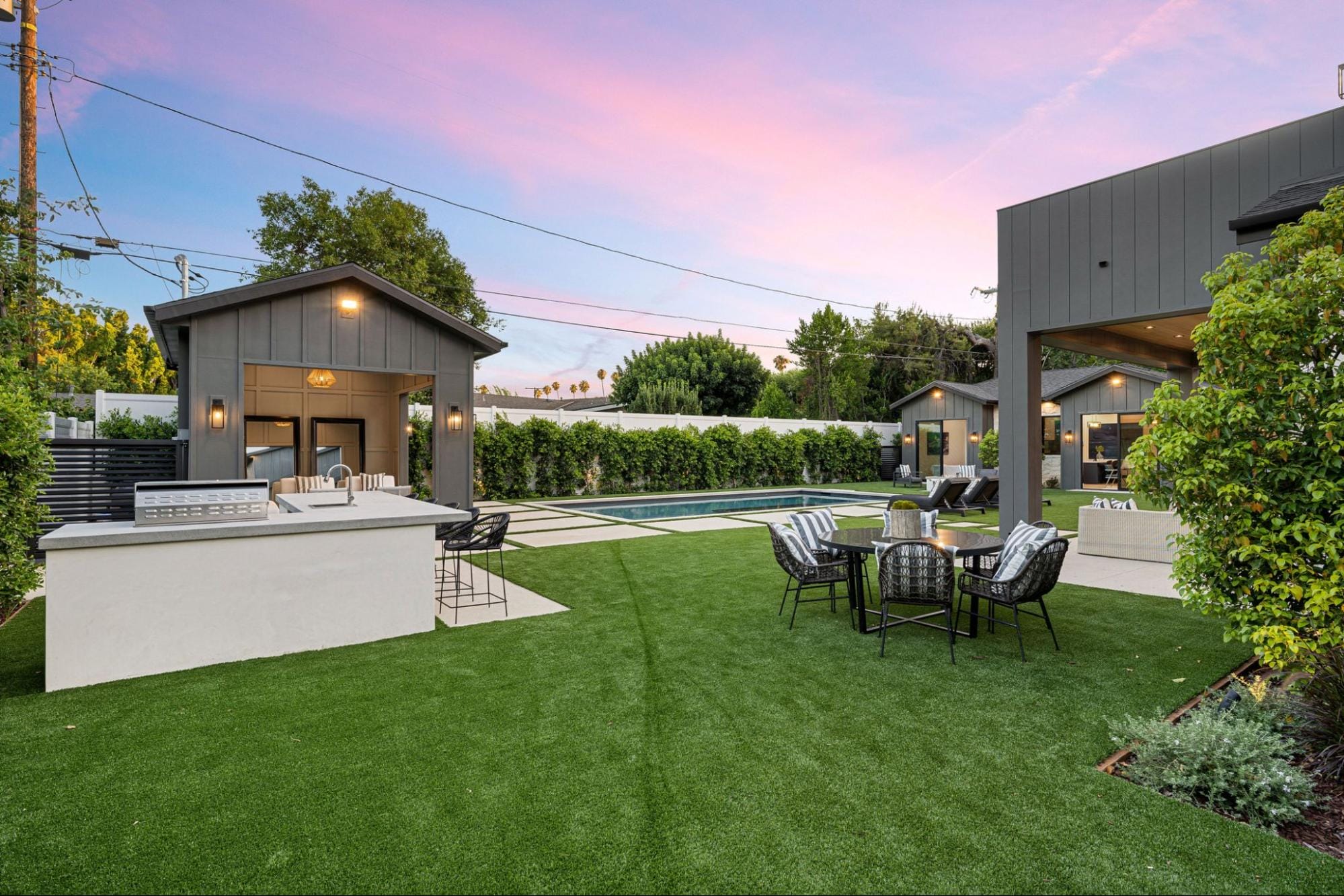
Professional landscaping work is rarely a single task. It is a coordinated process that reshapes how an outdoor space functions over time.
Work usually begins with site preparation, but that step involves more than clearing the area. Crews review soil conditions, drainage paths, and how different parts of the yard connect. In many cases, solving underlying issues matters more than adding new features.
From there, the work typically unfolds in stages.
Common on-site landscaping tasks include:
- Clearing and removing existing grass, worn materials, or unstable surfaces
- Evaluating and correcting drainage paths to prevent pooling or runoff issues
- Grading and shaping the yard to improve walkability and define usable areas
- Preparing soil and base layers to support long-term stability
- Installing walkways, patios, or access paths that guide movement through the space
- Creating or adjusting planting areas so that different zones serve a clear purpose
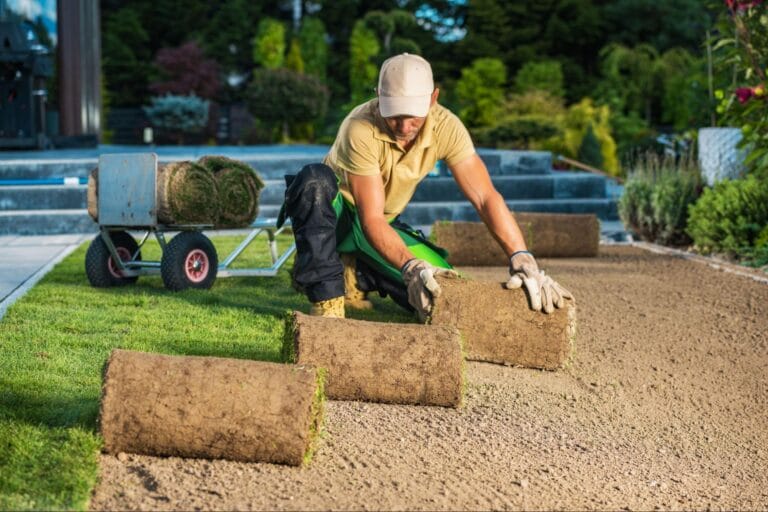
- Installing surfaces such as artificial turf, where consistent use is needed
- Coordinating multiple elements during backyard remodeling projects so the yard works as a whole
As the work progresses, conditions are reassessed. Soil behavior becomes clearer once exposed. Water flow changes as grades are adjusted. Professional landscaping services allow for these adjustments rather than forcing a fixed plan to fit every situation.
The final stage focuses on refinement.
- Tightening transitions between surfaces
- Checking levels and walking paths
- Cleaning edges and finishing details
- Making small corrections that improve how the space feels underfoot
This is where professional landscaping services differ from one-off upgrades. Each step supports the next, and the result reflects how the space is meant to be used, not just how it looks on the day the work is finished.
Communication Throughout the Process
During the project, communication stays practical. Questions are addressed as they come up. Adjustments are discussed before changes are made.
Many homeowners choose to work with a trusted landscape company like Westack Landscaping because expectations are set early and revisited as the project moves forward.
Final Review and Completion
Once the work is finished, a final review helps confirm that everything aligns with the original plan. Transitions are checked. Surfaces are reviewed. Usability is the focus.
For homeowners looking for clarity and fewer unknowns, working with a trusted landscaping contractor such as Westack Landscaping often makes the process easier to navigate.
Frequently Asked Questions
What does a landscaping company do
A landscaping company plans and installs outdoor projects based on how the space is used.
How long does a landscaping project take
Most residential landscaping projects take several days to a few weeks.
Do I need a landscaping contractor?
Projects involving grading, drainage, or multiple surfaces usually require a contractor.
Is artificial turf part of landscaping services
Artificial turf is often included when natural grass does not perform well.
What should I expect when hiring landscaping services
You can expect an evaluation, a clear plan, and defined installation steps.