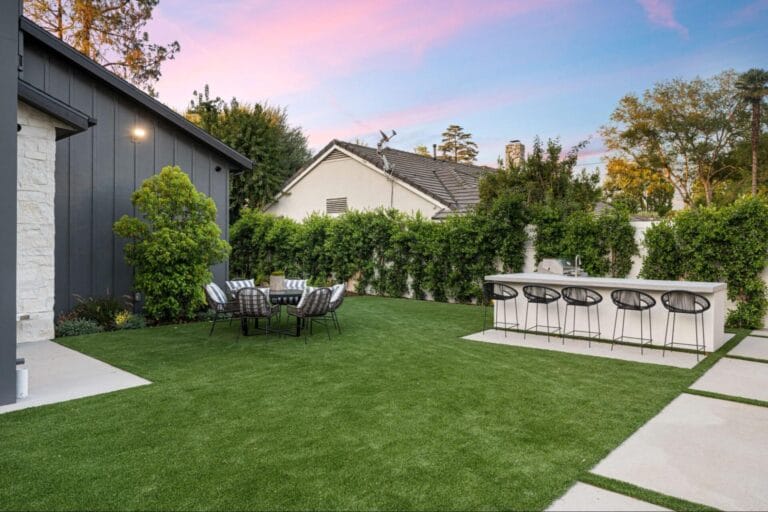
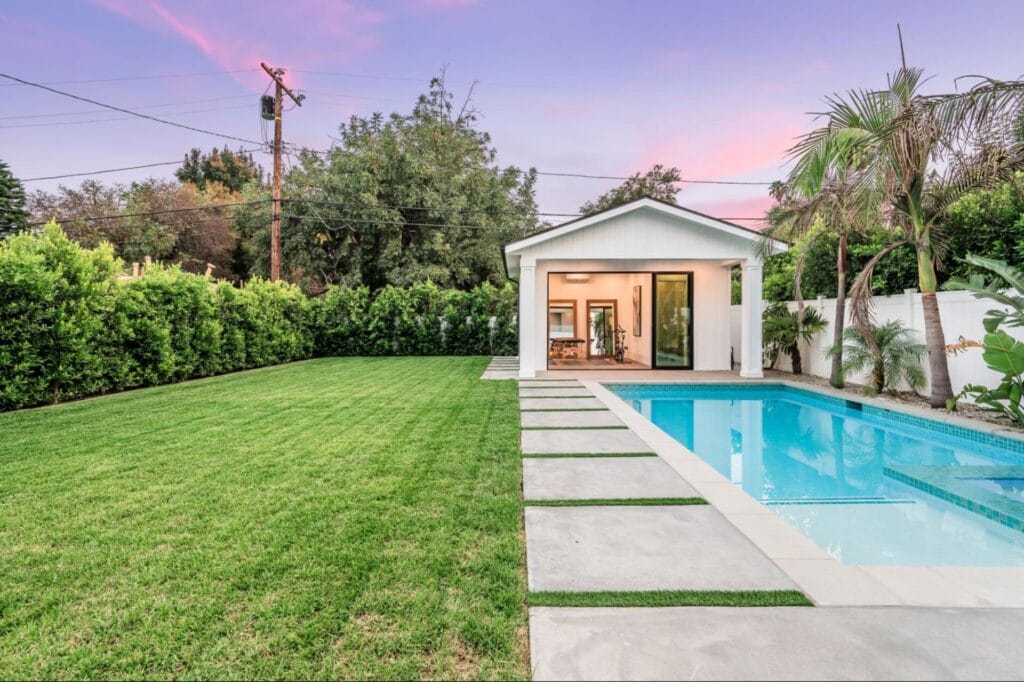
Homeowners often start with a simple question. Should we keep trying to make natural grass work, or is artificial turf installation the better long-term choice?
The answer depends on more than preference. It depends on how the yard is used, how much correction is realistic over time, and what kind of outdoor space homeowners actually want to live with.
This blog post explains the long-term differences between artificial turf installation and natural grass in order to help homeowners make a confident service decision.
Natural Grass Can Work Well, But It Has Limits
Natural grass has a traditional appeal, and in the right conditions, it performs well. But those conditions are not always present in residential landscaping.
Grass depends on:
- Consistent irrigation
- Healthy soil structure
- Adequate sunlight
- Seasonal recovery time
- Ongoing maintenance and correction
In many suburban yards, one or more of these factors becomes a challenge over time, especially in high-use areas.
Artificial Turf Installation Offers More Predictability
Artificial turf installation is often chosen because it removes variability.
Turf does not rely on regrowth cycles, seasonal recovery, or constant patching. For homeowners who want a yard that stays usable and visually consistent, turf provides a stable alternative.
It is especially common in:
- High traffic family zones
- Pet areas where grass struggles to recover
- Side yards with limited sunlight
- Backyard remodeling projects where consistency matters
Long Term Maintenance Is a Key Difference
Natural grass requires ongoing work. Mowing, watering, fertilizing, reseeding, and correcting worn areas are part of long term ownership.
Turf is considered low maintenance, but it still requires basic care. Cleaning debris, occasional brushing, and upkeep in high-use areas are still part of the picture.
The difference is that turf reduces repetitive correction, while grass depends on it.
Durability Over Time Depends on Installation and Conditions
Grass durability depends heavily on soil and water. Clay-heavy soils drain slowly and restrict oxygen to grass roots, while sandy soils drain too fast and hold little water or nutrients.
Turf durability depends on preparation. Professional artificial turf installation includes grading, base compaction, seam placement, and edge restraint, because long-term performance comes from what happens underneath.
This is why professional landscaping services matter.
Backyard Remodeling Often Favors Turf for Usability
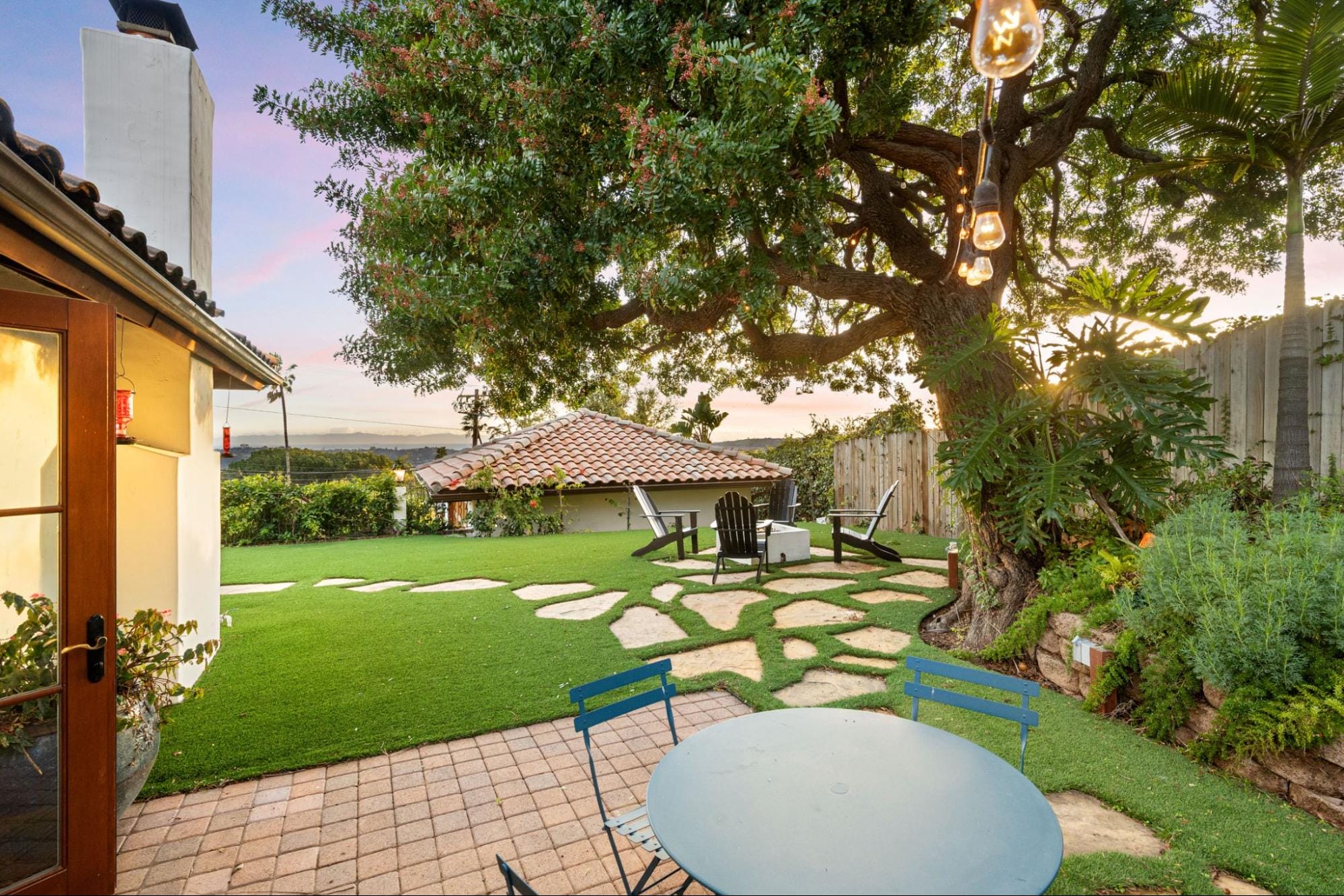
Backyard remodeling is increasingly focused on function. Outdoor kitchens, patios, gathering areas, and play zones require surfaces that stay predictable.
Turf supports this shift because it provides:
- High traffic usability without worn patches
- Clean transitions between patios and planting areas
- Year-round consistency without mud during summer rain or snow buildup
- Outdoor layouts that feel cohesive instead of patchwork
The best results come when turf is planned as part of the full outdoor layout, especially alongside hardscaping features like patios or outdoor kitchens, rather than installed in isolation.
Many homeowners speak with a trusted landscape company like Westack Landscaping when turf becomes part of a larger backyard remodeling plan rather than a quick surface swap.
When Natural Grass May Still Be the Better Fit
Grass may remain the better option for homeowners who prioritize natural planting environments and have the right conditions to support healthy growth.
Properties with heavy tree debris, areas with uncorrected drainage issues, or yards focused on natural planting may require a different approach than turf.
A landscaping contractor should evaluate the site before recommending either solution.
Making the Right Long-Term Decision
Artificial turf installation works best when it is chosen for usability, consistency, and realistic maintenance goals. Natural grass works best when conditions support healthy growth, and homeowners are prepared for ongoing care.
For homeowners weighing turf as part of landscaping services or backyard remodeling, working with a trusted landscaping contractor such as Westack Landscaping can help clarify which surface fits the property long-term.
Frequently Asked Questions
Is artificial turf better than grass long-term?
Turf can be more predictable in high-use areas, while grass requires ongoing maintenance and recovery.
Does natural grass add more value than turf?
Value depends on the property, buyer expectations, and how well the outdoor space functions.
Does turf last longer than grass?
Turf can last many years when installed professionally, while grass requires continual upkeep.
Can turf be combined with patio pavers or hardscaping
Yes. Turf is often integrated into backyard remodeling layouts alongside patios and walkways.
Should I hire a professional for turf installation
Professional installation helps ensure grading, base preparation, and long-term stability.