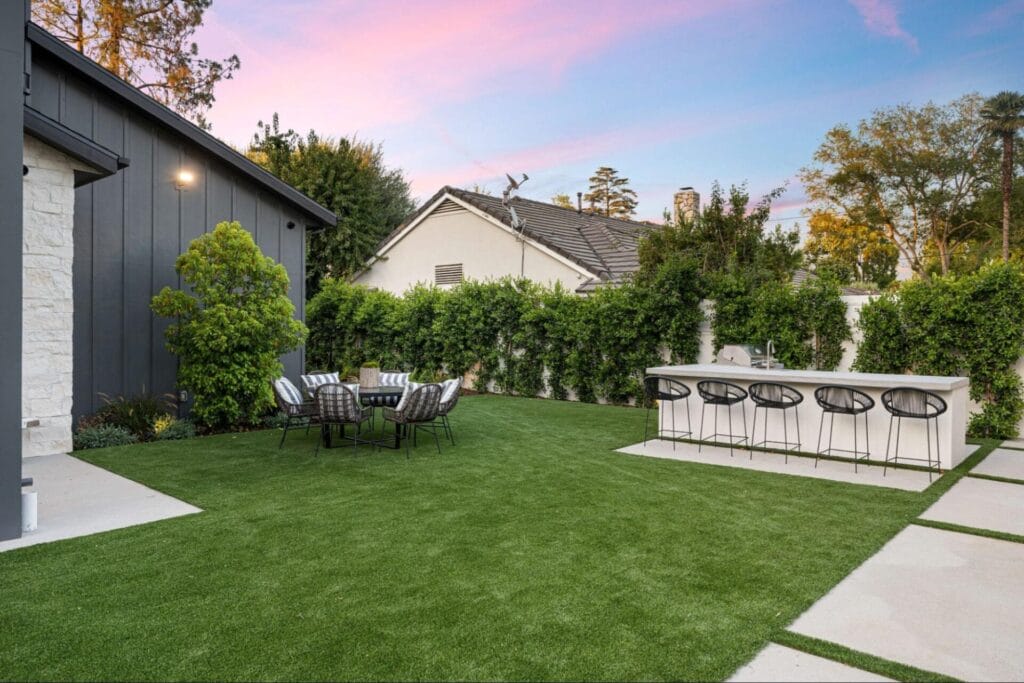
Artificial turf installation has become one of the most common landscaping services homeowners consider when natural grass stops making sense. In many Bay Area properties, the shade, soil compaction, water restrictions, and heavy use can make a traditional lawn difficult to maintain year after year.
This blog post explains when artificial turf installation is the right choice to help homeowners make a confident service decision before committing to a surface change.
When Natural Grass Becomes More Work Than Value
What was supposed to be a calm, simple part of the home, something you enjoy looking at from the window or walking across barefoot, slowly turns into something else.
Brown spots, uneven growth, constant patching, and irrigation demands often create a cycle where the lawn never feels finished. Instead of bringing mental peace, it becomes an anxious routine of checking the sprinklers and wondering why one section won’t recover.
Even with regular attention, some yards simply do not support healthy grass due to:
- Limited sunlight from trees or structures
- Local water use limits that reduce irrigation flexibility
- Poor drainage, rocky, or compacted soil
- Pests and mold
- Clay-heavy soils
- Sandy soils drain too fast and hold little water or nutrients
- High foot traffic from kids or pets
When these factors are present, artificial turf becomes less of an upgrade and more of a practical alternative for high-use areas.
Artificial Turf Installation Works Best in High-Use Areas
If an area of the yard functions as a walkway, play zone, or gathering space, natural grass tends to wear down quickly. Turf provides a consistent surface that does not depend on regrowth cycles.
Homeowners often choose turf for:
- Side yards that stay narrow and difficult to maintain
- Backyard zones are used daily for play or entertaining
- Pet areas where grass struggles to recover
- Front yards where appearance needs to stay consistent
In these situations, turf supports usability, which is often the main goal of backyard remodeling.
When Water Use and Irrigation Limits Are Part of the Decision
California landscaping decisions are increasingly shaped by water. Artificial turf installation is often considered when homeowners want a low-maintenance outdoor surface without relying on constant irrigation. While turf is not the right solution for every property, it can reduce dependence on watering in areas where grass requires frequent correction.
A professional landscape company like Westack Landscaping can help evaluate whether turf fits the property’s water goals without making exaggerated claims about savings.
Turf Is Not Just a Surface, It’s a System
Artificial turf installation depends on preparation, because long-term performance comes from what happens underneath.
- Removal of existing grass and unstable material
- Proper grading so water moves correctly
- Base layering and compaction for stability
- Seam placement and edge restraint
- Infill application for structure and feel underfoot
When Turf Supports Backyard Remodeling Goals
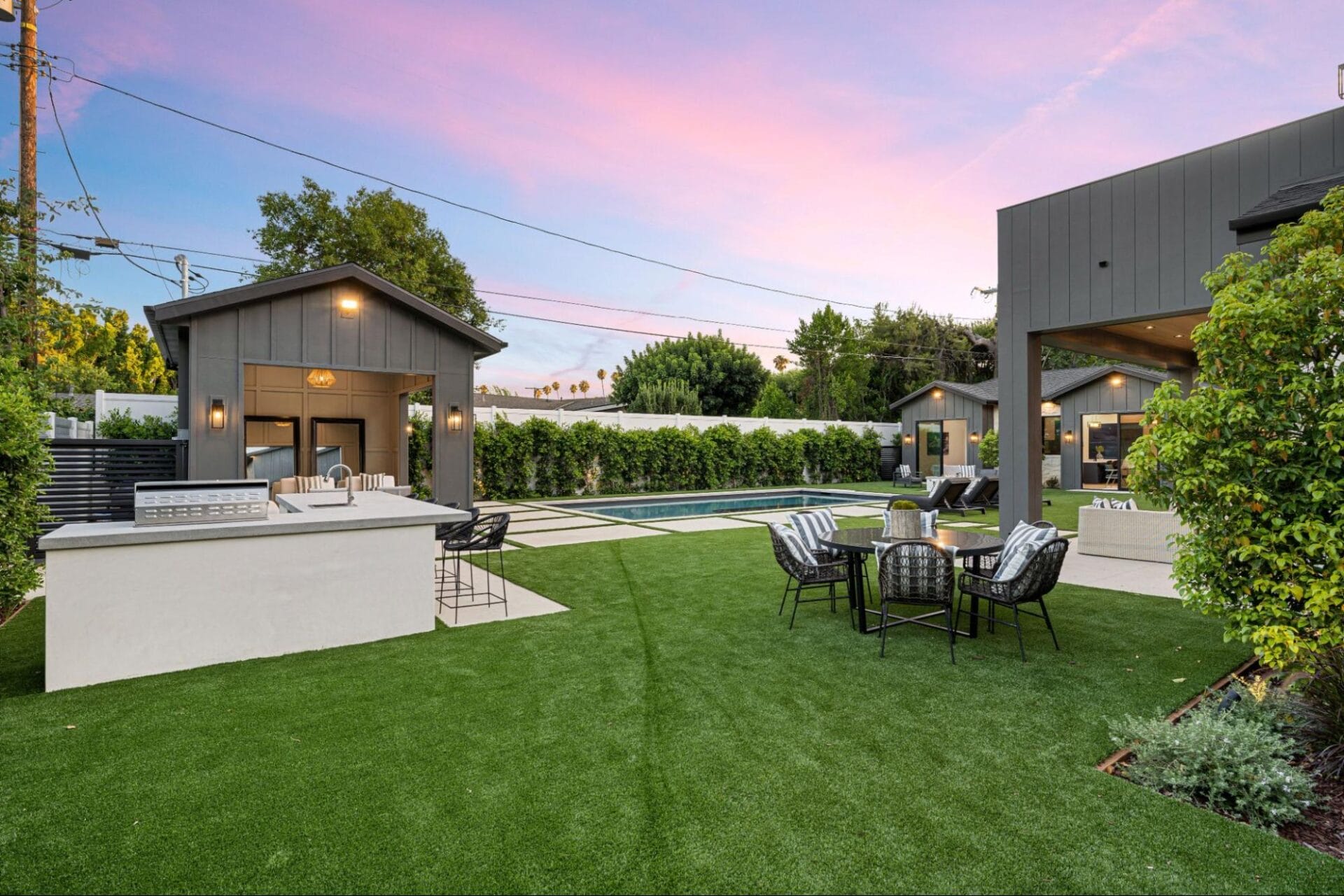
Backyard remodeling is usually about one simple thing. Making the outdoor space feel easier to live with. Less constant fixing. Less adjusting. Less wondering why the yard never quite feels finished.
Artificial turf can help when it creates clear, usable zones, especially in areas that get walked on every day. Turf is commonly paired with patio pavers, walkways, or planting borders to create a yard that feels structured instead of patchwork.
The best results come when turf is planned as part of the full outdoor layout, especially alongside hardscaping features like patios, pools, or outdoor kitchens, rather than installed in isolation.
Many homeowners speak with a trusted landscape company like Westack Landscaping when turf becomes part of a larger backyard remodeling plan rather than a quick surface swap.
When Artificial Turf May Not Be the Right Fit
Turf is not the answer in every situation. Properties with uncorrected drainage problems, heavy tree debris, or yards where natural planting is a priority may need a different approach.
A landscaping contractor should evaluate the site before recommending turf, because conditions underneath matter more than the surface choice.
Homeowners should also be cautious of anyone treating turf as a universal fix without talking through grading, runoff, or long-term expectations.
Making the Right Decision Before Installation
Artificial turf installation works best when it’s chosen for practical reasons. Usability. Consistency. A realistic maintenance plan.
For homeowners weighing turf as part of landscaping services or backyard remodeling, working with a landscaping contractor such as Westack Landscaping can help clarify whether turf fits the property’s conditions and long-term plans.
Frequently Asked Questions
Is artificial turf a good option for residential landscaping
Artificial turf can work well in high-use areas where natural grass struggles to hold up.
How long does artificial turf installation take
Most turf installations take several days, depending on site preparation and project size.
Does turf require maintenance?
Turf is considered low maintenance, but it still requires basic cleaning and upkeep.
Can turf be part of backyard remodeling
Yes. Turf is often used alongside patios, pavers, and planting zones in full backyard remodeling projects.
Should I hire a professional for turf installation
Professional installation helps ensure proper grading, base preparation, and long-term performance.


