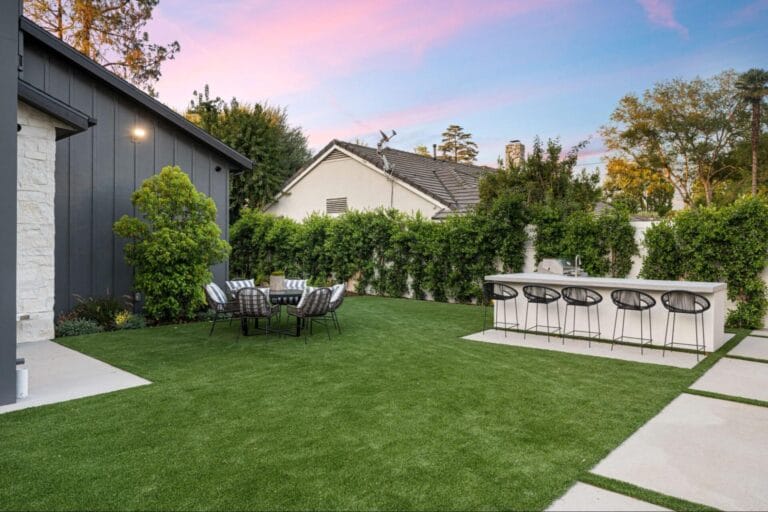
Artificial turf installation can work extremely well long-term, but only when the groundwork is done correctly. Turf is not something you simply lay down and walk away from. The surface performs based on what happens underneath, and most problems come from steps that were rushed or skipped.
This blog post explains the most common mistakes homeowners should avoid during artificial turf installation in order to help them make a confident service decision before committing to the project.
Assuming Turf Is Just a Grass Replacement
A common mistake is thinking turf is a quick swap. Pull the grass out, roll the new surface in, and you’re finished.
But in real yards, it doesn’t work like that. The difference shows up a few months later, when the ground underneath starts to settle. You’ll feel soft spots when you walk across it. A low corner holds water after a rain, or the edges don’t stay as clean as they looked on day one.
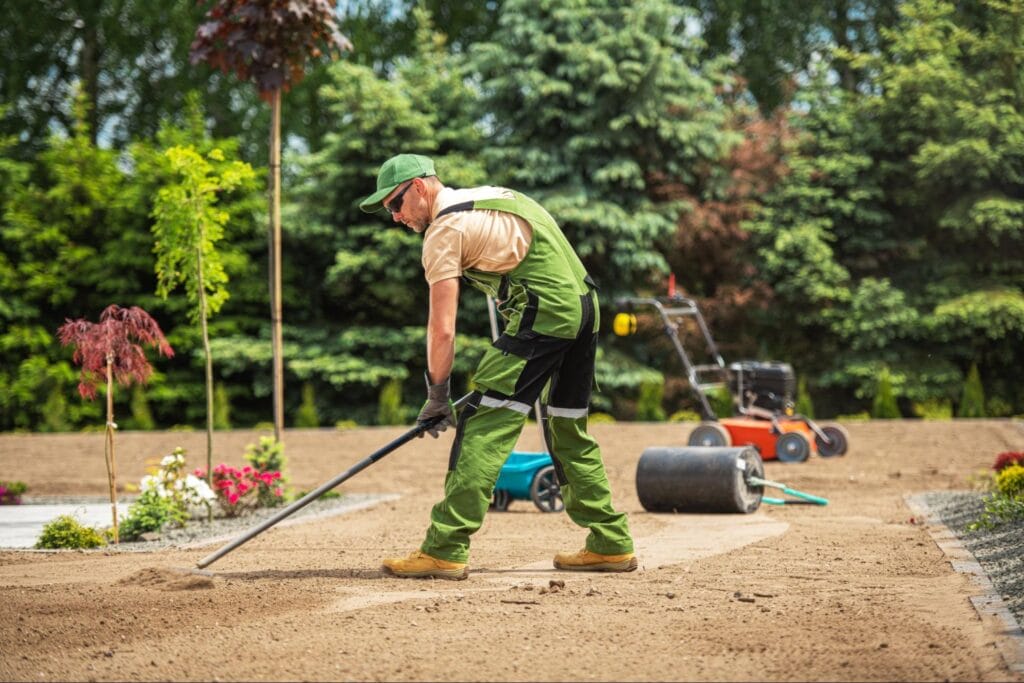
Proper artificial turf installation is less like gardening and more like building a stable outdoor surface. It’s about grading, base work, compaction, and getting the foundation right before the turf ever goes down.
A professional crew measures elevations, removes unstable soil, brings in base material in layers, and compacts it until the ground feels firm and even. That’s what makes the finished turf feel solid years later instead of spongy after one season. And that’s usually why homeowners call Westack Landscaping for work that holds up and feels right underfoot.
Skipping Drainage and Water Flow Planning
Even though turf doesn’t grow, water still moves. If a yard has poor grading, runoff will continue to pool or push toward structures. Turf installed over an uncorrected drainage problem doesn’t solve the issue; it just hides it until performance declines.
Proper turf work starts with understanding where water goes, especially in residential landscaping, where drainage patterns affect the entire property.
If the yard has low spots or uneven grade, the base can be reshaped so runoff moves away naturally instead of pooling under the turf.
And when there aren’t nearby drains, a professional crew may build subtle slope transitions or drainage pathways into the layout so water has somewhere to travel instead of getting trapped.
Rushing Base Prep and Compaction
The ground needs to be excavated properly, layered correctly, and compacted in stages. If that step is rushed, homeowners often see settling, an uneven feel underfoot, and surface distortion within the first year.
Poor Seam Work That Becomes Visible
Seams are where many DIY installations fail. If seams are placed poorly or secured incorrectly, they can separate or become visible over time, and uneven joining lines can even create spots where people trip and fall. Gaps can also allow weeds or plant growth to push through and bring up dirt or mud underneath. This is especially noticeable in high-use areas where people walk, play, or gather daily.
Good turf installation makes seams disappear into the layout rather than stand out as weak points.
Weak Edges and Unstable Transitions
Without proper edge restraint, turf can shift, curl, or pull away from borders. Transitions between turf, patio pavers, planting zones, or hardscaping elements need to be built with stability in mind.
This is why turf often performs best when installed as part of a backyard remodeling layout rather than dropped into a single section.
Choosing Turf Without Thinking About Real Use
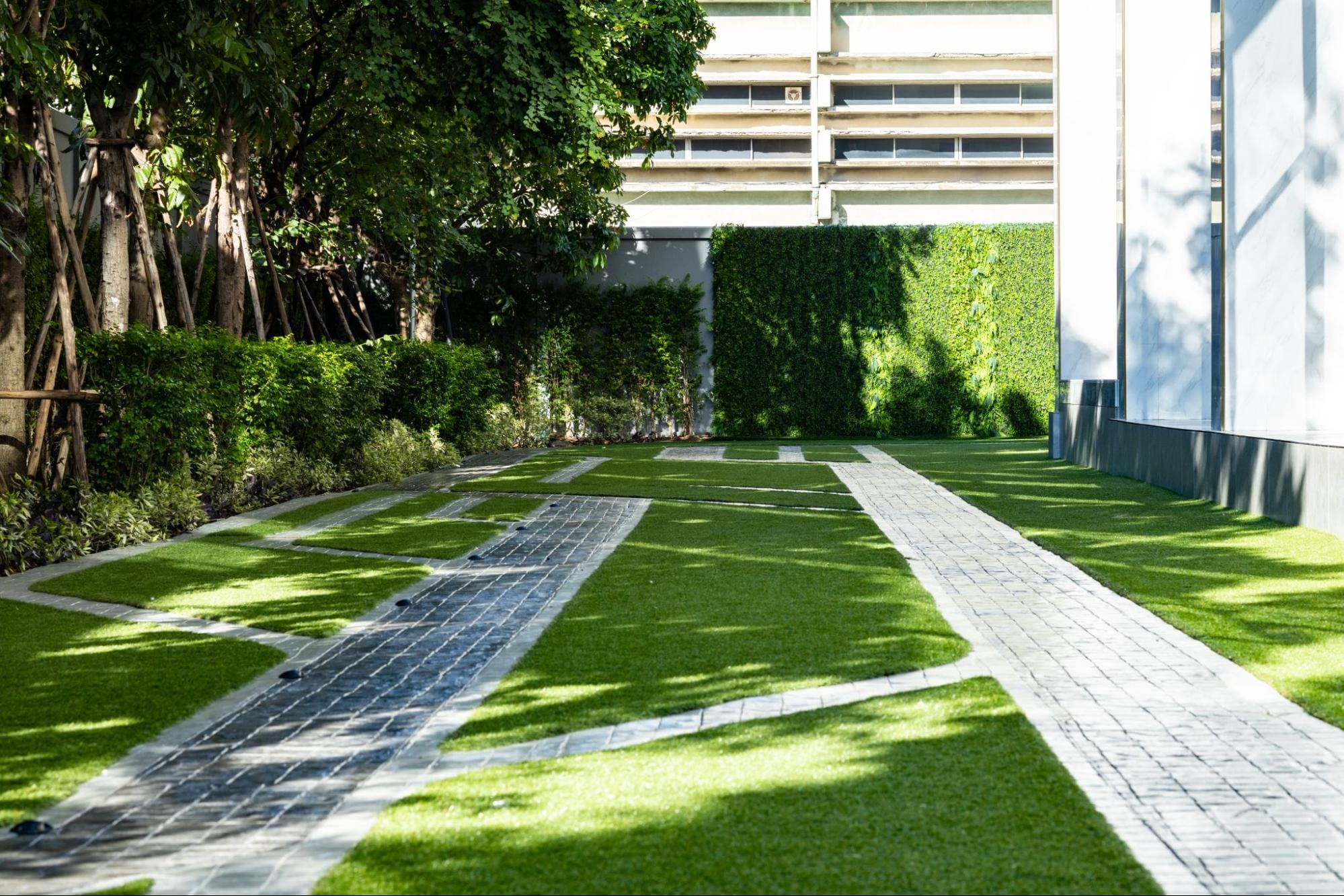
Not every yard needs the same turf. A quiet front lawn area has different requirements than a backyard play zone or pet space. The wrong turf type or infill choice can lead to faster wear, discomfort, or higher upkeep.
A professional landscape company like Westack Landscaping can help homeowners match turf selection to how the space will actually be used.
Expecting Zero Maintenance
Turf is low maintenance, but it still needs care. Leaves, debris, pet use, and dust buildup require occasional cleaning. Brushing and light upkeep help the surface stay even and consistent over time.
Cutting Costs in the Wrong Places
Trying to save money by skipping structural steps usually costs more later. Reducing base depth, avoiding drainage correction, rushing seam work, or using weak edge support often leads to removal and replacement.
Many homeowners speak with a trusted landscaping contractor, such as Westack Landscaping, when turf becomes part of a larger backyard remodeling plan, because the long-term cost of doing it wrong is higher than doing it professionally once.
Frequently Asked Questions
What is the biggest mistake during turf installation
Skipping proper base preparation and grading is one of the most common issues.
Can turf be installed over uneven ground?
Uneven ground should be corrected before turf is installed to prevent settling.
Do turf seams show over time
Poor seam placement can become visible, especially in high-traffic areas.
Does turf need drainage planning
Yes. Water flow and grading still matter even with turf.
Should I hire a professional for turf installation
Professional installation helps ensure structural preparation and long-term stability.