
If you’ve ever wondered how professionals install artificial turf that looks perfectly even and drains like real soil, it comes down to the process.
In San Jose, the difference between a good job and a long-lasting one usually starts before the first roll of turf is even unwrapped.
From access planning to drainage layout to how the seams are handled, each step affects how the surface feels, drains, and holds up over time.
Why the Installation Process Matters
Many homeowners think turf is like carpet. But artificial turf behaves more like a layered system. The foundation underneath is what gives it strength, shape, and proper water flow. When installed correctly, it drains evenly, feels firm underfoot, and holds its form for years. Skip a step, and you’ll start seeing uneven spots, edges that curl, or water pooling after every rain.
That’s why professional installation is worth it. Experienced crews know how to work with San Jose’s mixed soil types, tight access points, and steep driveways that can complicate delivery or grading.
Site Access and Preparation
Evaluating Entry Points and Equipment Access
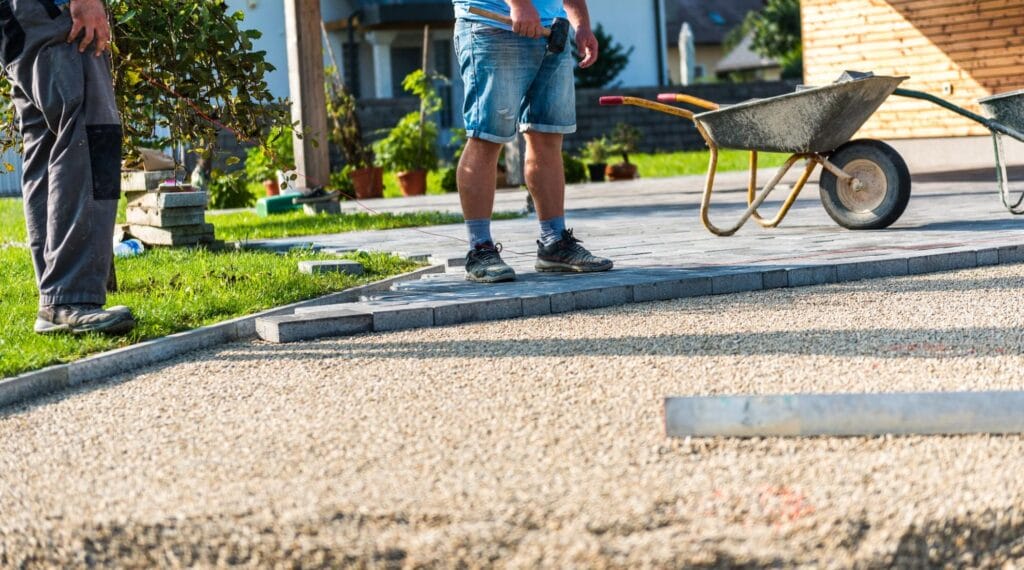
Before a shovel hits the ground, a crew checks access. In a lot of San Jose neighborhoods, backyards are narrow or walled off, so installers measure gate openings, plan material deliveries, and decide whether smaller machinery or wheelbarrow work will be needed. The goal is to protect existing hardscape and move material efficiently without damaging the property.
Clearing and Grading the Area
Old sod and debris are stripped down to bare soil. The surface is then graded for water runoff, typically sloped about a quarter-inch per foot. Crews use a vibrating plate compactor to firm up the base layer, ensuring it’s stable enough to prevent future dips or soft spots.
Skipping proper grading is one of the most common DIY mistakes and the main reason for standing water later on.
Drainage: The Foundation of Every Turf System
Understanding San Jose’s Soil Conditions
Soil in San Jose tends to be clay-heavy and slow-draining. That means water sits longer unless the base layer is engineered to handle it. Professionals install a mix of crushed rock and decomposed granite that creates both structure and permeability. The composition depends on whether the area is for residential use, commercial space, or pet turf.
Installing the Drainage Base
Once grading is complete, a base layer goes down, usually three to four inches deep. It’s compacted in multiple passes to form a solid yet breathable surface. On top of that sits a layer of smaller aggregate that smooths everything out. Then comes the weed barrier, which prevents growth from pushing through while still allowing water to drain naturally.
Integrating Irrigation and Drainage Systems
Older lawns often have existing irrigation lines. Crews can cap or reroute them before turf installation. If the property tends to hold water, French drains or trench drains may be installed under the base to redirect runoff. This step is what keeps the system working for years, especially in low-lying areas of San Jose that get soggy during heavy rain.
Turf Placement and Seam Work
Rolling and Positioning Turf Sections
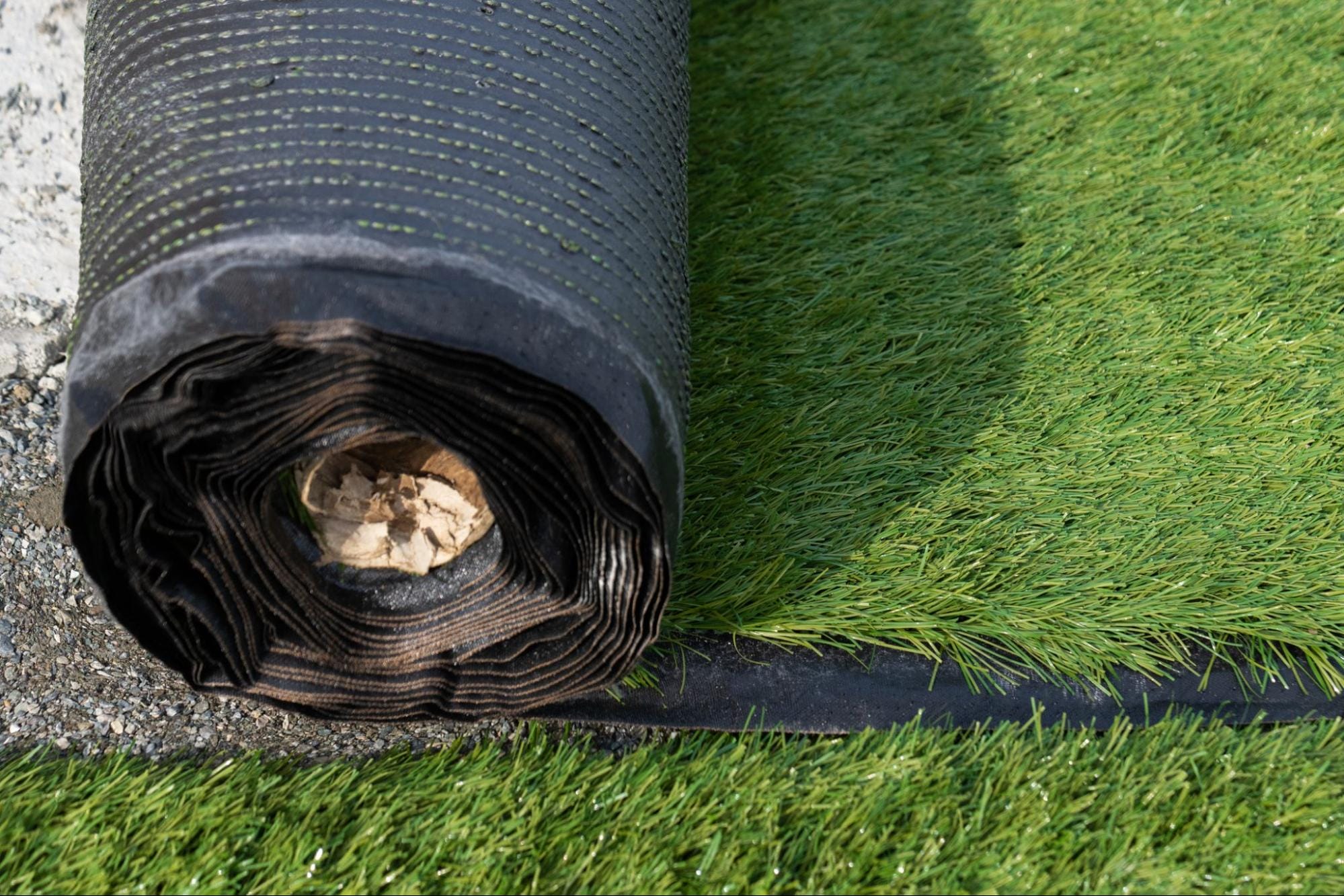
Once the base is ready, the turf rolls are laid out under sunlight for a short time. This helps relax the material so it doesn’t wrinkle when installed. Each roll is aligned in the same grain direction so the light reflects evenly. Installers then rough-cut the pieces to fit the layout, leaving a few extra inches along the edges for fine trimming.
Seaming Techniques Used by Professionals
Seaming is where the real craftsmanship shows. Professionals use specialized seam tape coated with turf adhesive, aligning fibers tightly to make the joins nearly invisible. In some cases, a Z-cut pattern is used to achieve a more natural blend. Each seam is weighted during curing, so it sets flush and doesn’t separate over time.
Securing Edges and Finishing Touches
Once the seams are complete, the edges are trimmed and anchored. Around pavers or concrete, installers use turf nails and edge restraints; along flower beds, they often use metal edging to hold shape.
Finally, infill material, usually silica sand or a cooling infill blend, is spread across the surface to weigh it down and help the blades stand upright.
Post-Installation Checks and Maintenance
Power Brushing and Final Grooming
After the turf is secured, a power broom lifts and separates the fibers. This gives the surface a natural “stand-up” look. It also distributes the infill evenly. The final brushing step is what makes turf look like real, freshly cut grass.
Drainage and Flow Testing
Before wrapping up, installers test the drainage by spraying the surface and checking for pooling. Proper slope and base compaction should allow water to move freely across the entire area.
Homeowner Walkthrough and Care Instructions
Once the turf passes inspection, the crew walks the homeowner through maintenance basics: how to rinse debris, brush fibers, and check seams periodically. They’ll also show how to refresh infill and prevent edge lifting in high-traffic areas.
Why Professional Installation Pays Off in San Jose
A well-installed turf system can last 15 years or more. Poor drainage or bad seams, though, can ruin it in half that time. Professional installers like Westack Landscaping handle every detail — from compacting the subgrade to sealing edges and integrating irrigation systems correctly.
Westack’s team has worked across San Jose for years, adapting installations to the city’s soil types, microclimates, and yard layouts. Whether it’s a simple backyard install or a full landscape renovation, their crews follow the same process every time: precision grading, tight seams, and drainage that actually works.
If you’re thinking about artificial turf in San Jose, start with a company that knows the trade inside and out. With the right prep and technique, you’ll get a surface that looks perfect, drains right, and stays that way season after season.


