
Most people think once artificial turf is installed, that’s it. The truth is, even the best turf in San Jose can need a little fixing now and then. The sun bakes it, the soil shifts, pets do what pets do, and sometimes seams start to move. The good thing is, most of these problems can be handled quickly when you know what’s going on under the surface.
Why Turf Repair Matters
Artificial turf might look like one layer, but a lot is happening underneath. There’s the base rock, the weed barrier, the drainage slope, the infill, and the turf itself. If any one of those starts to fail, the surface tells on you. You’ll see uneven spots, maybe some bubbling, or that one corner that always stays damp after it rains.
Small repairs stop big ones later. A turf tech can lift a section, check the base, and fix the weak points before water or movement spreads the problem. In most cases, it’s a simple tune-up that brings everything back to normal.
The Most Common Artificial Turf Problems in San Jose
Lifting Seams and Edge Separation
This happens a lot once turf ages or after a hot summer. The seams start to pull because the glue softens or the backing stretches. Once that happens, the edges trap dirt and start curling. A good crew cuts back the seam, cleans out the old adhesive, and uses fresh seam tape with professional bonding glue. The trick is to weigh it properly while it sets so the fibers blend back together naturally.
Drainage Failures and Standing Water
If you live in San Jose long enough, you know the soil here can be stubborn. It holds water instead of letting it go. When the crushed rock base underneath the turf clogs up or flattens, puddles form.
To fix it, pros open that section, rebuild the base, and restore the grade so it drains again. Sometimes they add a French drain or a perforated pipe if the area floods often.
Flattened or Matted Turf Fibers
After a few seasons, you might notice the blades look tired or pressed down. It’s not ruined; it just needs grooming. Crews use a power broom to lift the fibers and add a little new infill for support. You’d be surprised how much life comes back after a single brushing.
Odor and Staining from Pets
Pet turf can smell if the base stops breathing. The mix of bacteria, heat, and trapped water does that. Pros treat it with enzyme cleaners that eat away the buildup and restore airflow. If the odor has been there for a while, they might lift the turf, wash the underlayer, and reset it with a deodorizing infill that keeps things fresher longer.
Weed Growth or Surface Contamination
Weeds sneak in where the weed barrier has shifted or the edge seal has worn out. It’s usually a quick fix that requires removing the growth, resealing the seams, and reinstalling the barrier fabric. Keeping it tight at the borders prevents the next round from pushing through.
How Professionals Assess and Fix Turf Problems
Step One: Inspection and Diagnosis
A proper repair starts with a walk-through. Crews look for uneven seams, infill compaction, and water flow issues. They test the slope with a hose to see how fast water moves. Knowing what’s really wrong saves time and keeps the repair permanent.
Step Two: Targeted Removal and Base Correction
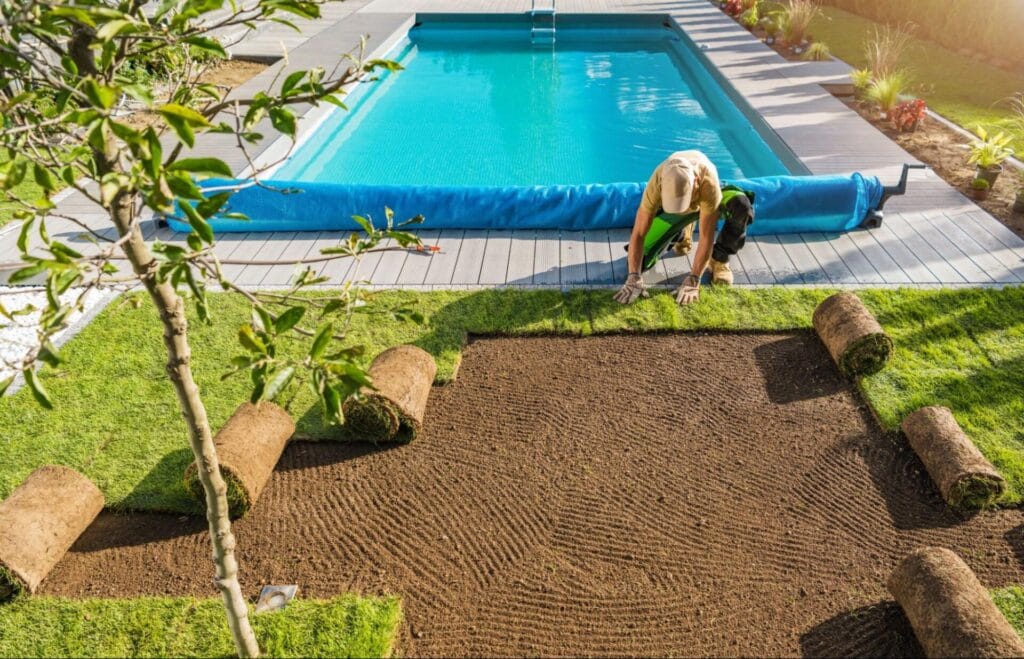
Once they find the trouble spot, the team cuts only what they need. The damaged section is lifted, the base rock is loosened or replaced, and the surface is compacted again with a plate compactor. The idea is to correct the slope without disturbing the healthy turf around it.
Step Three: Seam and Edge Reconstruction
Turf is trimmed for a tight fit, adhesive tape goes underneath, and the pieces are stretched so the grain runs in the same direction. Edges near concrete or planters are pinned with turf nails or metal edging to keep them from shifting later.
Step Four: Infill Restoration and Grooming
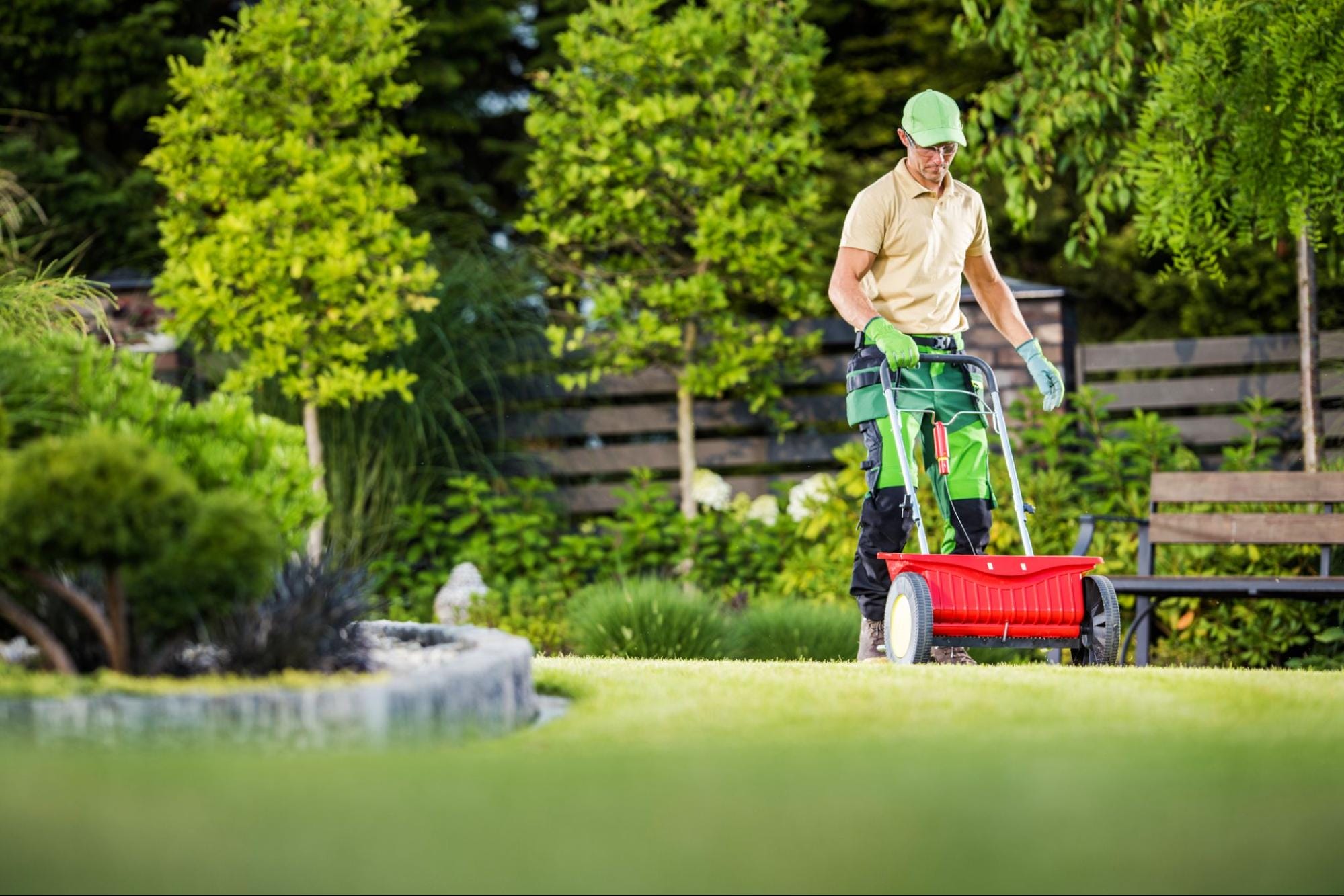
After seams and edges are reset, new infill is spread evenly. Then the surface is brushed until the fibers stand tall again. This gives the turf its natural look and feel while keeping the backing cool and stable.
Preventing Future Turf Problems
Proper Cleaning and Maintenance Schedule
A light rinse once or twice a month goes a long way. Brushing keeps the fibers upright and prevents compaction. Once a year, a professional power-broom service restores the infill balance and checks seams before they lift.
Drainage and Irrigation Adjustments
After big storms, take a look at how water drains. If you see puddles forming in the same spot, it might need a quick slope adjustment or a new drain trench. Checking it early saves money later.
Choosing the Right Turf Installer
Many repairs come from jobs that were rushed or underbuilt. A solid installer knows how to handle San Jose’s clay soil, grade the base, and set seams tight from the start. Westack Landscaping handles both new installs and full repairs, which means they know exactly how to spot weak points before they turn into bigger problems.
Why San Jose Homeowners Trust Westack Landscaping for Turf Repairs
Turf repair isn’t guesswork; it’s trade work. It takes experience with soil, drainage, and turf backing materials. Westack Landscaping’s team works throughout San Jose and the surrounding area, handling everything from reseaming to full base rebuilds.
They fix lifting edges, correct water flow, and bring old turf back to life so homeowners don’t have to start over. If your turf looks uneven, smells off, or drains slowly, Westack can find the cause and make it right.


