Artificial turf is showing up everywhere around San Jose these days. Drive through any neighborhood and you’ll see it: clean, bright lawns that never seem to fade or dry out.
Homeowners are making the switch because real grass just doesn’t hold up in our weather. Between long dry spells and constant water restrictions, it’s hard to keep a yard alive. Turf solves most of that. Still, before you start tearing up your old lawn, it helps to know what you’re getting into.
Why Artificial Turf Is Gaining Ground in San Jose
People in the Bay Area are practical. When water bills rise and lawns start turning brown, they look for smarter options. Artificial turf gives you the green look without the constant work. It stays even, doesn’t turn patchy, and doesn’t need fertilizer or trimming.
Once installed, you can walk barefoot across it in July and it’ll still feel soft. Families like it because kids can play outside without mud or dust. It’s also become popular for homeowners who just want a cleaner, modern yard that looks good all year.
Understanding the Different Types of Artificial Turf
Residential Turf for Lawns and Backyards
For most homes, residential turf is the way to go. It’s made with softer fibers and color blends that look like natural grass. The idea is comfort, and that translates into a lawn you can sit on, walk across, or let the dog run around without worrying about wear spots.
Commercial Turf for Offices and Public Spaces
Turf in commercial areas has a tougher job. It’s shorter, denser, and built to handle hundreds of steps a day. You’ll find it in courtyards, business plazas, and community entryways where low upkeep matters more than a plush feel.
Sports and Pet-Friendly Turf Options
If you’ve got pets or active kids, look for turf with drainage and antimicrobial backing. It dries quickly after cleaning or rain and keeps odors from building up. Some newer lines are designed specifically for agility zones and small yards with a lot of activity.
Evaluating Your Yard Before Installation
Soil and Drainage Conditions
Every yard in San Jose is a little different. Some areas drain beautifully, while others hold water after rain. That’s the first thing your installer will check. Good drainage means your turf won’t develop soft spots or mildew underneath.
Sun Exposure and Shade Patterns
Too much sun can heat certain turf materials, so matching the right type to your yard’s exposure makes a big difference. In full-sun spots, a cooler, reflective turf keeps temperatures manageable.
Existing Irrigation and Grading
Old sprinkler systems, tree roots, and uneven ground are common around older homes. Fixing those before installation saves headaches later and helps the turf sit flat.
How to Prepare for the Construction Process
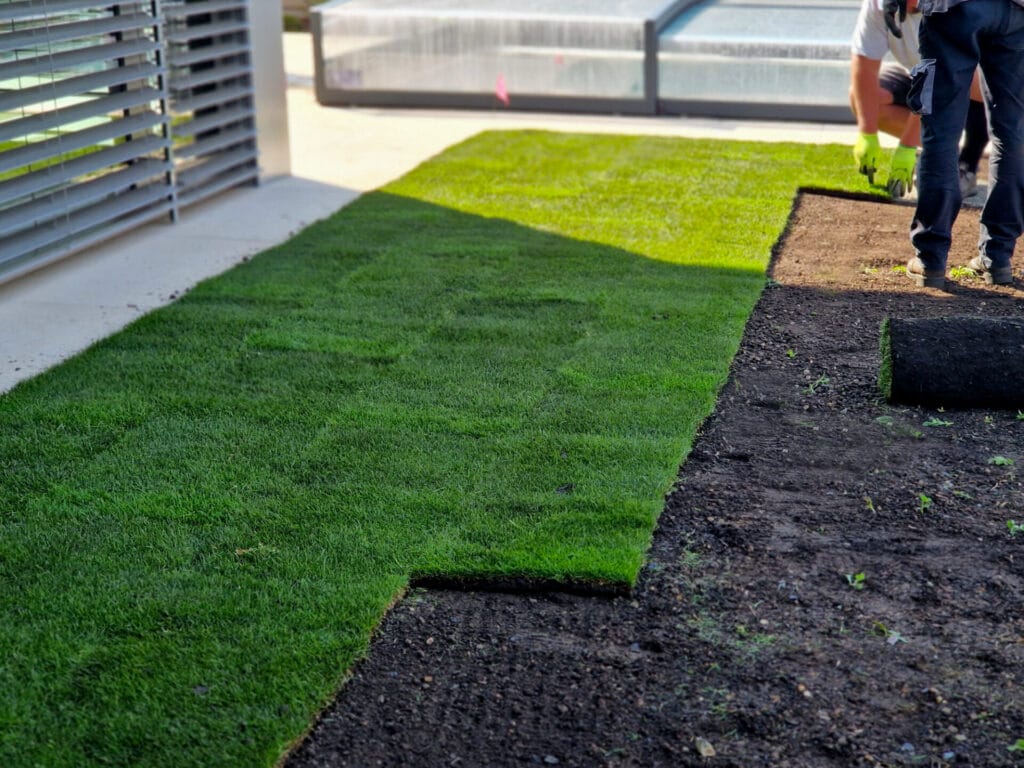
Getting ready doesn’t take much, but it matters. Move patio furniture, potted plants, or anything in the work area. Mark sprinkler heads or utility lines if you know where they are. The crew will grade the soil, compact it, and add a gravel base for drainage. Once that’s set, the turf goes down in sections, trimmed to fit, and joined so seams disappear. Most small yards are finished in a day or two.
Cost Factors to Keep in Mind
Material Quality and Pile Height
Cheaper turf may look fine at first, but it tends to flatten quickly. Higher-end options hold their shape longer and feel more natural underfoot. Shorter blades are easy to maintain, while taller piles look softer and fuller.
Project Size and Labor
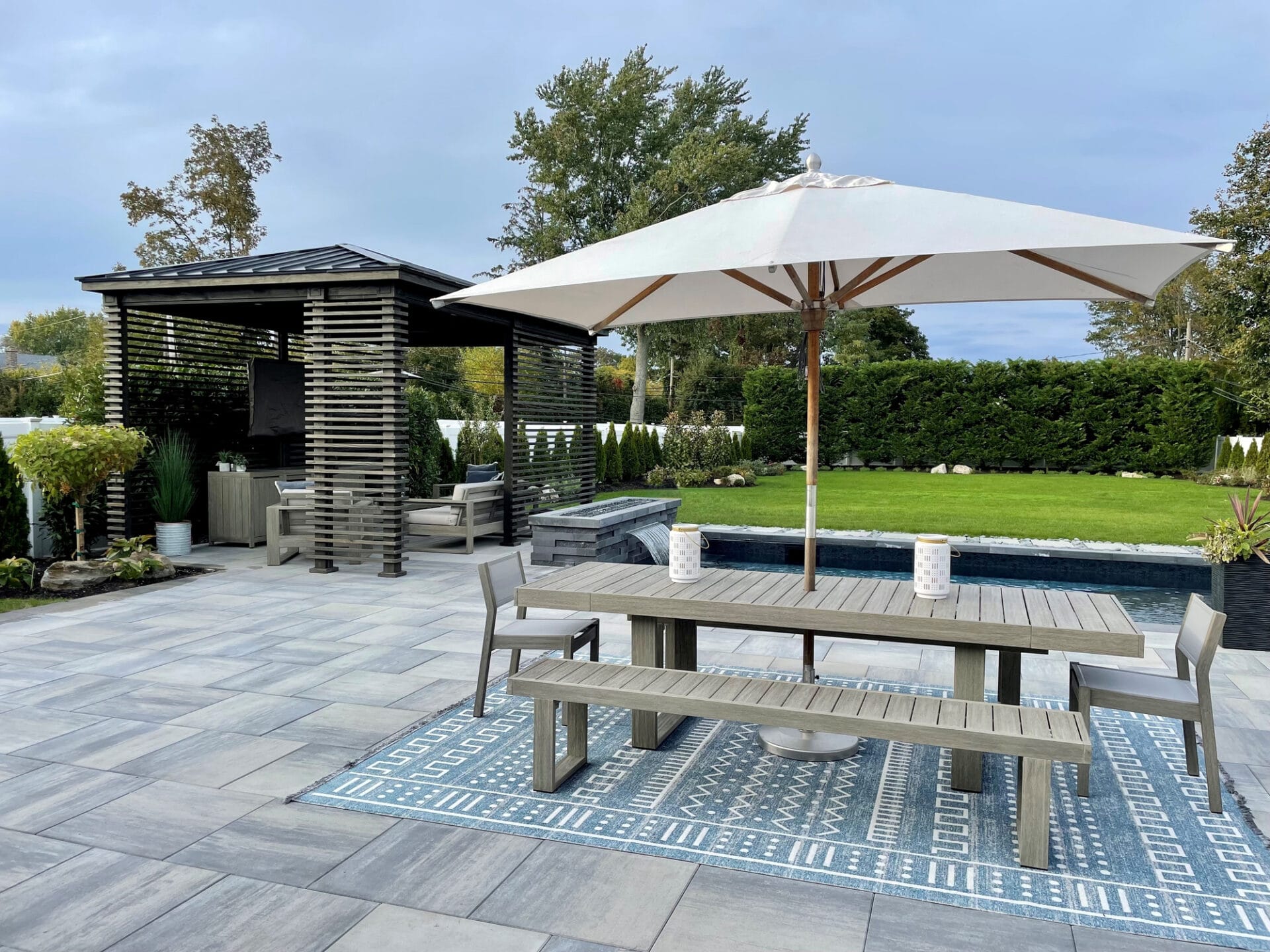
Yard size and layout affect labor time. Simple rectangles cost less than curved or multi-level designs. Integrating pavers or borders also adds complexity, but can really elevate the finished look.
Site Preparation Requirements
If the old lawn has to be removed or the ground needs extra leveling, expect some added cost. Proper prep prevents drainage problems and shifting later.
Environmental and Maintenance Considerations
Water Savings and Drought Compliance
This is one of the biggest reasons San Jose homeowners make the switch. Turf cuts outdoor water use by nearly all of it and keeps you within local drought guidelines.
Low-Maintenance Cleaning and Upkeep
There’s not much to do once it’s installed. A quick rinse every week or two keeps dust away. For pet areas, turf-safe deodorizing sprays work well.
Heat Retention and Eco-Friendly Options
Some turf can get warm in peak summer. Newer versions include heat-resistant coatings and natural infill materials that help reduce surface temperature.
Preserving Your Artificial Turf After Installation
Once the job’s done, you can relax. Just be smart with it. Keep grills, fire pits, and sharp tools off the turf.
Sweep or blow away leaves and hose it off when needed. If you see the blades lying flat, brush against the grain, and they’ll spring right back. With basic care, turf easily lasts well over a decade.
How Westack Landscaping Can Help
Westack Landscaping has built a strong reputation around the Bay Area for turning dry, uneven lawns into green, durable spaces that last.
The team understands how to design turf systems that fit San Jose’s weather and soil conditions.
From consultation to cleanup, every project gets done carefully, with local know-how and genuine pride in the result.
Whether you’re upgrading your front yard or redesigning a backyard for the family, Westack delivers work that looks good and holds up for years.


