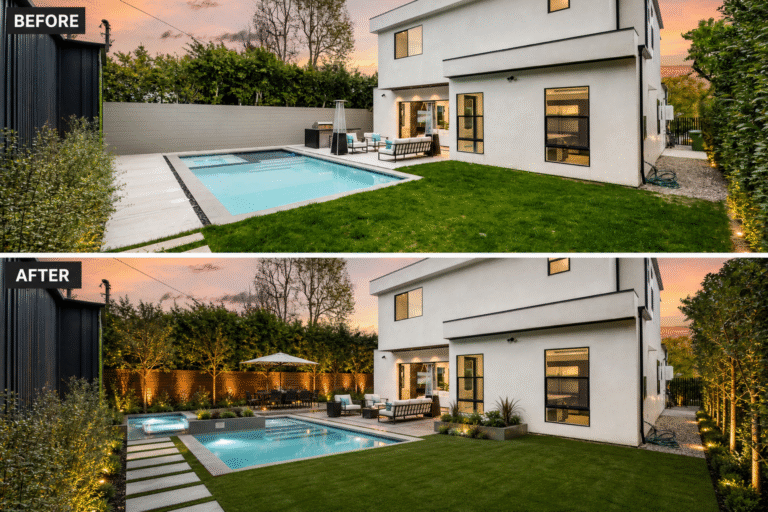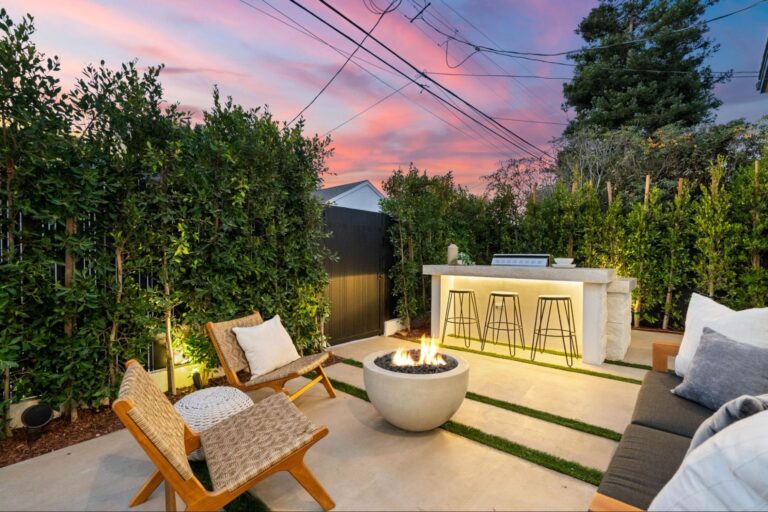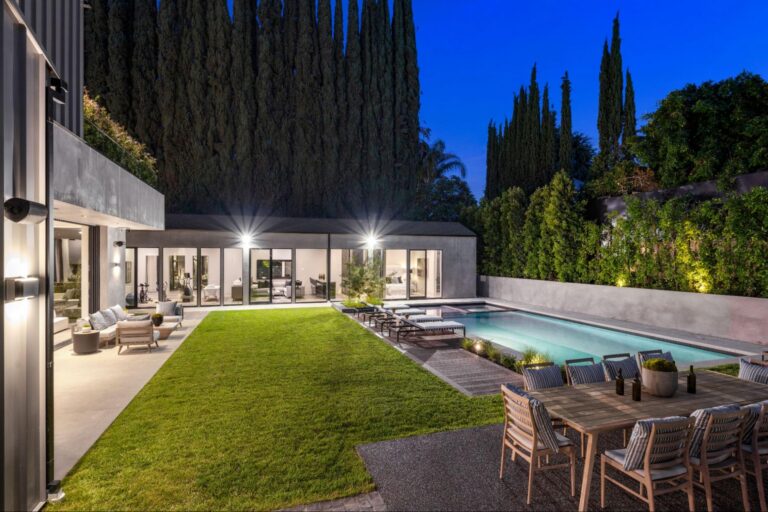
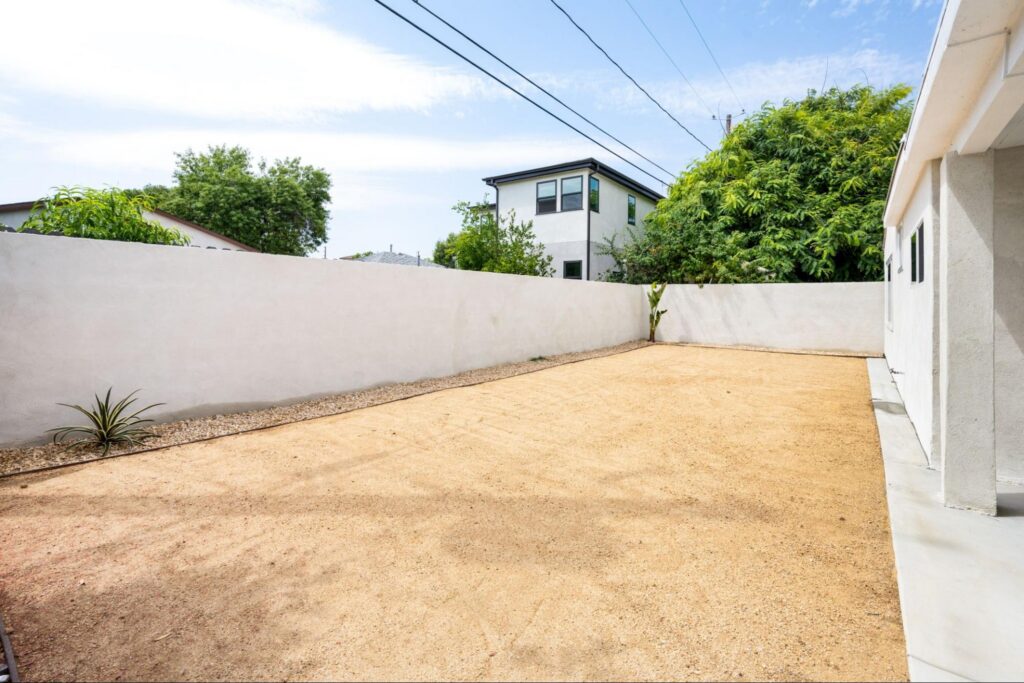
Most outdoor projects begin with a feature.
A patio. A fire pit. An outdoor kitchen. Artificial turf. A pergola.
Homeowners often focus on what they want to add, which makes sense. The challenge is that outdoor projects rarely succeed because of the feature itself. They succeed because of everything supporting that feature underneath, around it, and behind it.
This is where many projects become more complex than expected. Drainage, utilities, circulation, grading, maintenance requirements, and future expansion all influence whether the finished space functions properly long after construction is complete.
This post explores some of the most common issues homeowners overlook when planning outdoor projects and why addressing them early can save significant time, money, and frustration later.
The Ground Beneath the Project
Most people think about the finished surface.
Few think about what supports it.
Whether the project involves patio installation, artificial turf installation, retaining walls, or an outdoor kitchen, everything depends on the conditions underneath. Excavation, soil preparation, compaction, and base construction determine how stable the finished surface will remain over time.
A patio may look perfect on installation day, but poor base preparation can eventually lead to shifting pavers, uneven surfaces, drainage problems, and expensive repairs.
This is why experienced landscape companies spend so much time preparing areas that homeowners may never see once construction is complete.
Drainage Is Often Discovered Too Late
One of the most expensive mistakes in outdoor construction is treating drainage as an afterthought.
Water moves through every property differently. Existing grades, roof runoff, neighboring lots, soil conditions, and hardscape surfaces all influence where water travels after rain or irrigation.
When drainage is ignored, problems can appear in several ways:
- Water accumulation beneath pavers
- Erosion around planting areas
- Standing water near foundations
- Saturated planting beds
- Surface instability and settling
Many backyard remodeling projects ultimately begin because drainage issues were never addressed during earlier improvements.
The most successful outdoor projects plan water movement before any visible feature is installed.
Utilities Affect More Than Homeowners Expect
Outdoor kitchens, landscape lighting, irrigation systems, fire features, pools, spas, and future additions all depend on utilities.
Gas lines, electrical circuits, water supply, drainage systems, and irrigation infrastructure require planning long before installation begins.
A common mistake is installing hardscape first and discovering later that utilities need to cross the same area. This often leads to demolition, rework, and unnecessary expense.
Homeowners who think several years ahead frequently save money because infrastructure can be planned once rather than repeatedly modified as new features are added.
Circulation Determines Whether a Space Gets Used
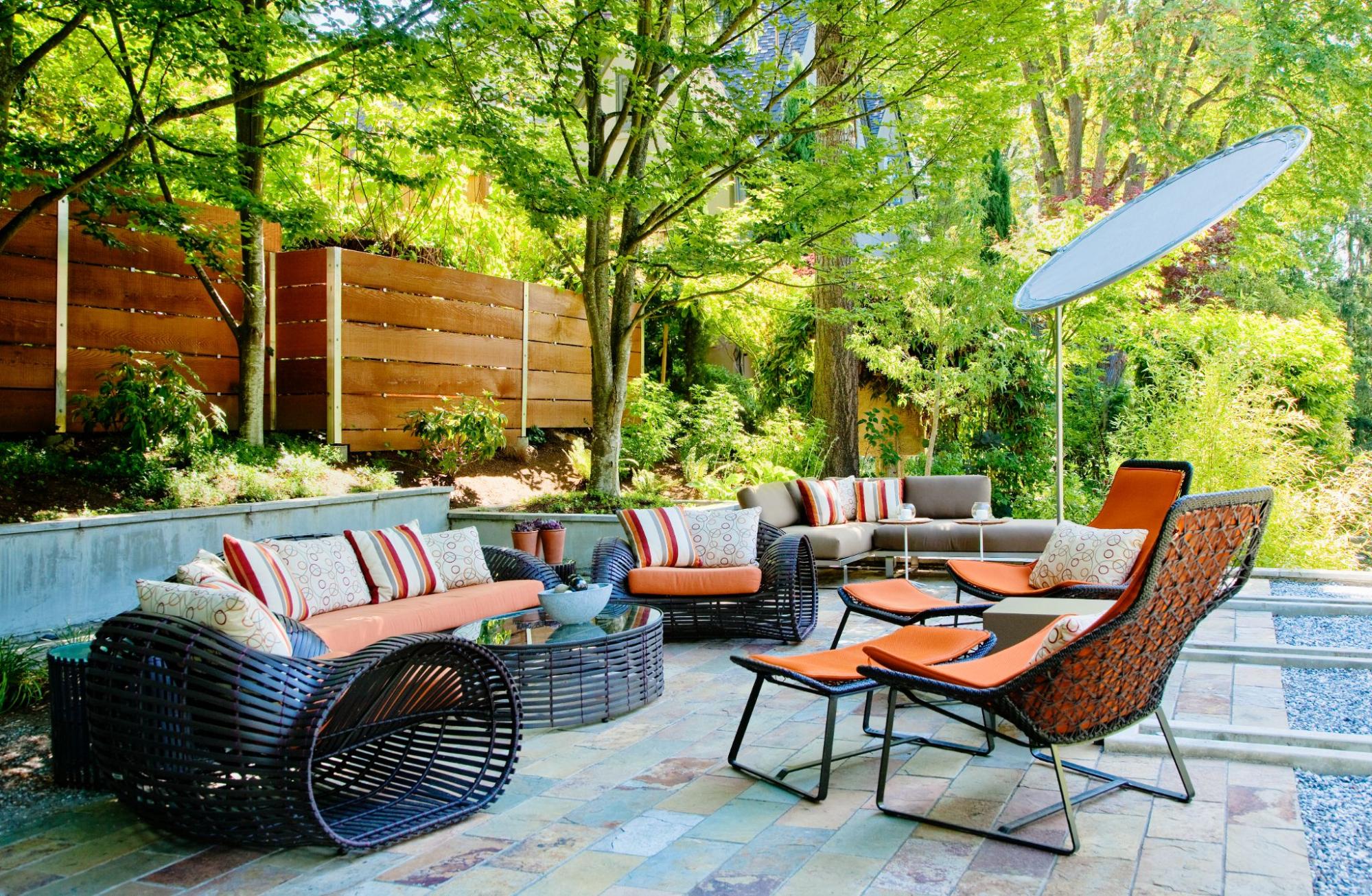
Some outdoor spaces have beautiful features, but feel awkward to use.
This usually happens because circulation was never considered.
People need natural pathways between seating areas, dining spaces, outdoor kitchens, gates, and entry points. If movement feels restricted or inconvenient, even expensive features may see little use.
Good landscape design focuses on how people move through a space before determining where individual features belong.
This is one reason many homeowners work with companies like Westack Landscaping during larger backyard remodeling projects. Understanding circulation early helps prevent costly adjustments after construction begins.
Maintenance Requirements Are Frequently Underestimated
Many outdoor features look attractive when first installed.
The question homeowners should ask is how the space will perform five years later.
Certain materials require ongoing cleaning. Some planting layouts demand regular trimming. Irrigation systems need periodic adjustments. Drainage systems must continue functioning correctly as landscapes mature.
Low-maintenance outdoor design does not happen automatically. It requires careful selection of materials, planting strategies, irrigation systems, and hardscape layouts.
Projects that ignore maintenance often become less usable over time rather than more enjoyable.
Future Upgrades Should Be Considered Now
Not every homeowner completes their ideal outdoor space in a single project.
Some begin with patio installation. Others start with artificial turf, drainage improvements, or a fire pit. Additional features are added later as budgets and priorities evolve.
The challenge is that future improvements often become more expensive when they were never considered during the initial phase.
For example:
- Utility lines may need relocation
- Hardscape may require demolition
- Drainage systems may need modification
- Irrigation zones may need redesign
- Circulation paths may require reconstruction
Planning for future upgrades does not necessarily increase project size. It simply allows the current phase to support what comes next.
Property Value Comes From Function, Not Features Alone
Many homeowners assume property value increases simply by adding expensive outdoor features.
In reality, value is often created through function.
A backyard that supports entertaining, provides comfortable circulation, manages water correctly, reduces maintenance demands, and integrates outdoor living features effectively will often outperform a property filled with disconnected upgrades.
This is why successful outdoor living design focuses on how the entire space works together rather than treating each feature independently. The goal is to make the property work better.
Why Professional Planning Matters
Outdoor projects involve multiple systems interacting simultaneously. Mistakes in one area often create problems somewhere else.
Homeowners planning outdoor improvements frequently discover that the most important decisions happen before construction begins. Understanding how these systems work together helps reduce risk, improve long-term performance, and avoid expensive corrections later.
For Bay Area homeowners evaluating outdoor improvements, a professional site evaluation can often identify issues that are difficult to recognize until construction is already underway.
Companies like Westack Landscaping regularly help homeowners plan projects that support both current goals and future upgrades without unnecessary rework.
When outdoor projects are planned as complete systems rather than isolated features, the results tend to perform better, require less maintenance, and remain useful for years to come.
Frequently Asked Questions
What is the most overlooked part of an outdoor project?
Drainage is often the most overlooked component because it remains hidden after construction but affects the long-term performance of the entire project.
Why does grading matter in landscaping?
Grading controls how water moves across the property and influences drainage, surface stability, and erosion prevention.
Should I plan future outdoor upgrades during my first project?
Yes. Planning for future improvements can reduce demolition, utility relocation, and unnecessary construction costs later.
Why is circulation important in landscape design?
Circulation determines how people move through outdoor spaces and often influences whether features are used regularly.
Do outdoor projects require professional planning?
Projects involving grading, drainage, utilities, hardscape, or multiple outdoor living features typically benefit from professional planning and coordination.