Patios continue to be one of the most requested outdoor upgrades because they improve how a backyard functions without requiring major changes to the home itself.
In 2026, homeowners are focusing less on decorative features and more on creating outdoor spaces that support everyday life. A modern patio is expected to handle dining, entertaining, relaxation, family activities, and even remote work while remaining easy to maintain.
The most successful patio designs combine durable materials, thoughtful layout, and features that work together as part of a larger backyard remodeling plan. This post explores the patio design ideas shaping outdoor living spaces in 2026.
Patios Are Becoming Outdoor Living Rooms
The traditional patio was often little more than a place for a table and a few chairs.
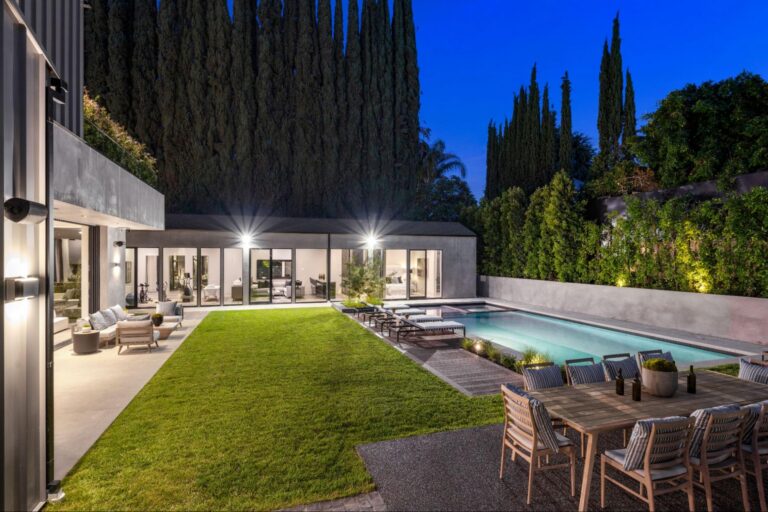
Today, homeowners are using patios as true extensions of the home. These spaces support outdoor dining, family gatherings, movie nights, reading, working outside, and everyday relaxation.
What makes this trend successful is not the size of the patio but the way it is organized. Defined seating zones, clear circulation paths, and comfortable transitions between indoor and outdoor spaces make patios feel larger and more functional.
Many backyard remodeling projects begin with the patio because it establishes the foundation for how the rest of the outdoor space will be used.
Large Format Pavers Continue to Grow in Popularity
Large-format pavers remain one of the strongest design trends heading into 2026.
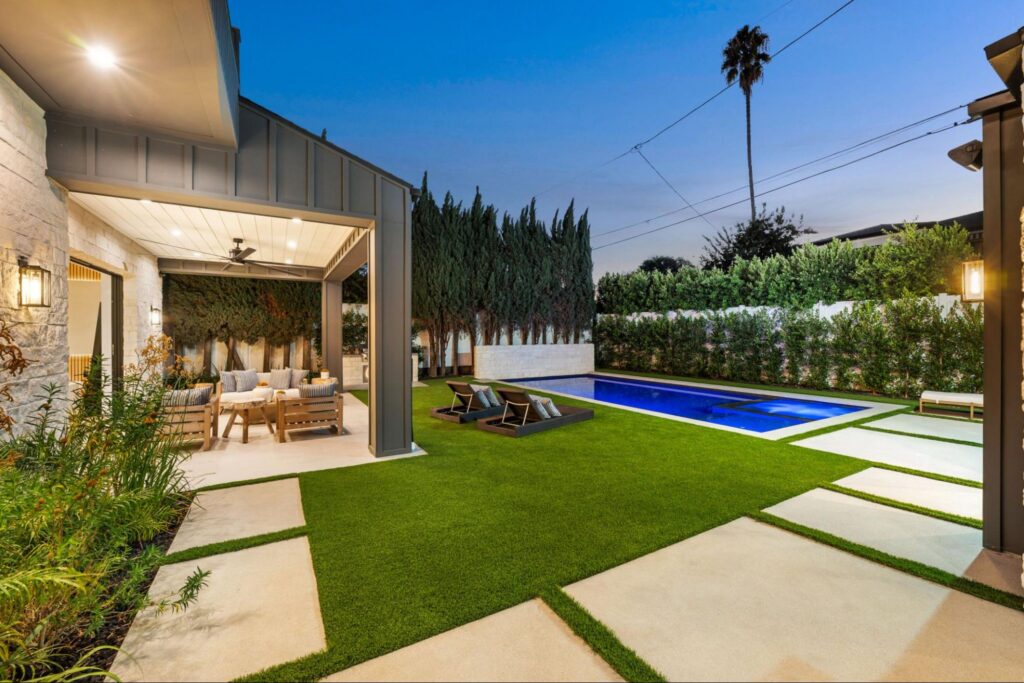
Their clean lines create a modern appearance while reducing visual clutter. Fewer joints also mean less opportunity for weeds, shifting, or uneven settling over time.
Beyond appearance, large pavers help create visual continuity throughout the property. Walkways, dining areas, seating zones, and outdoor kitchens can all feel connected when the same materials are used strategically.
The performance of any paver system depends on what happens underneath. Excavation, grading, compaction, and base preparation determine whether the patio remains stable for years or begins developing problems shortly after installation.
Integrated Fire Features Remain a Top Choice
Fire pits continue to be one of the most popular outdoor living features because they extend how often the patio gets used.
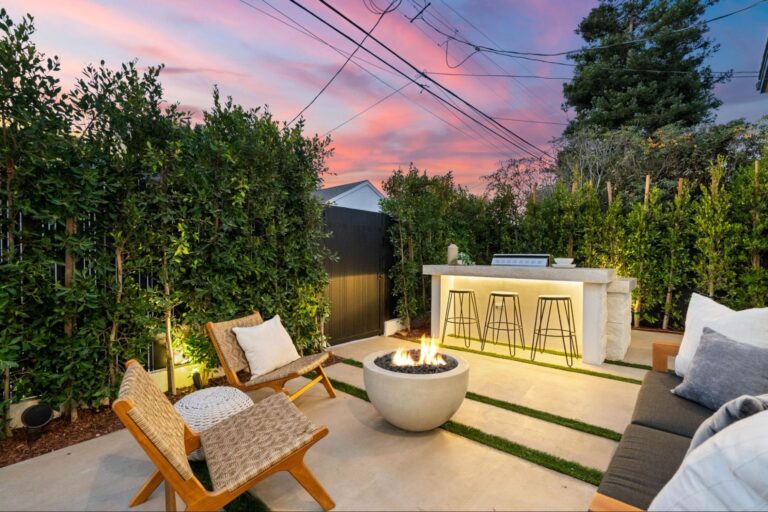
A fire feature naturally creates a gathering area and encourages outdoor use during cooler evenings throughout the year. It also helps define seating zones without requiring walls or barriers.
Modern patio designs often integrate fire pits directly into the layout rather than treating them as separate additions. This improves circulation and creates a more cohesive outdoor living environment.
Proper placement is important. Clearances, surface materials, and pedestrian flow all need to be considered before installation begins.
Shade Structures Are Becoming Part of Patio Design
One reason patios go unused is simple: too much sun.
Pergolas and shade structures are becoming standard features in modern outdoor living design because they improve comfort without completely enclosing the space.
These structures help reduce heat exposure, make outdoor dining more enjoyable, and create defined zones within larger backyards. They can also support lighting, fans, speakers, or other outdoor amenities.
A well-placed shade structure often increases patio usability more than expanding the patio itself.
Artificial Turf Is Replacing Traditional Lawn Borders
Artificial turf continues to gain popularity as homeowners look for lower-maintenance alternatives to natural grass.
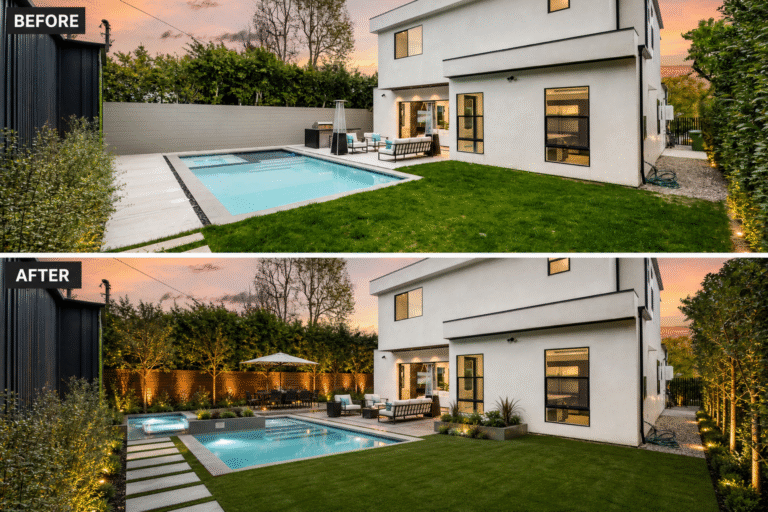
In modern patio design, turf is frequently used to soften the appearance of hardscape while maintaining durability in high-traffic areas. The contrast between clean paver lines and turf creates a contemporary look that works well in both small and large backyards.
This approach also reduces irrigation demands and minimizes ongoing maintenance.
When installed correctly, artificial turf becomes an effective transition between patios, planting areas, walkways, and recreational spaces.
Lighting Is Being Designed Into the Patio From the Start
Landscape lighting is no longer considered an afterthought.
Modern patio projects often incorporate lighting during the planning phase rather than adding it later. This allows fixtures to be integrated into seating walls, pathways, steps, pergolas, and outdoor kitchens.
The benefits go beyond appearance.
Lighting improves visibility, circulation, and safety while extending how long outdoor spaces remain usable after sunset. It also helps create an atmosphere without requiring additional structures or features.
Drainage Is Becoming a Design Priority
Many homeowners focus on materials and features while overlooking one of the most important components of patio performance: drainage.
Water that does not move correctly can create surface instability, staining, erosion, and expensive repairs over time.
Modern patio design increasingly incorporates drainage planning from the beginning. Surface slopes, hidden drains, elevation changes, and water management systems are all considered before construction starts.
The result is a patio that not only looks good on day one but continues performing properly for years.
Patios Are Being Planned as Part of a Complete Backyard System
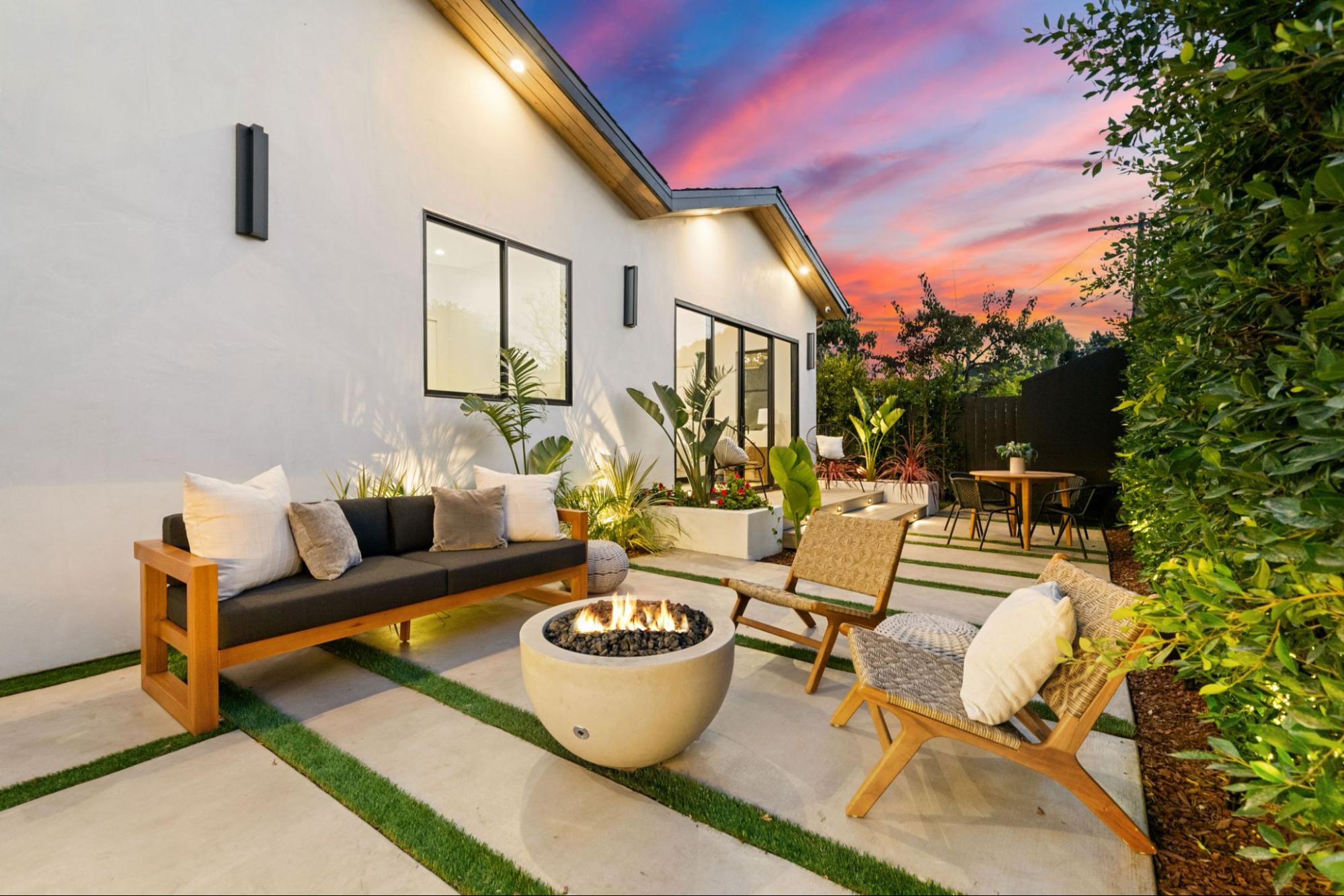
One of the biggest shifts in outdoor design is the recognition that patios do not exist in isolation.
Patios influence circulation, irrigation, planting, outdoor kitchens, fire pits, shade structures, and drainage systems. Decisions made in one area often affect multiple other parts of the backyard.
This is why many homeowners work with professional contractors like Westack Landscaping when planning larger outdoor living projects. Looking at the property as a complete system helps prevent costly redesigns and ensures future upgrades can be integrated smoothly.
Why Professional Planning Matters
Selecting pavers is often the easiest part of a patio project.
The real work happens below the surface and behind the scenes. Grading, drainage planning, utility coordination, excavation, and base preparation all influence the long-term success of the patio.
Mistakes in these areas can lead to shifting surfaces, standing water, drainage conflicts, and expensive repairs.
For homeowners considering patio upgrades in the Bay Area, understanding how these systems interact can make the difference between a patio that looks good temporarily and one that continues performing for years. This is one reason many property owners turn to Westack Landscaping when evaluating backyard remodeling projects that involve patios, outdoor living features, and long-term site planning.
A modern patio should do more than improve appearance. It should improve how the property functions every day.
Frequently Asked Questions
What is the most popular patio design trend for 2026?
Large format pavers, integrated outdoor living areas, shade structures, and low-maintenance materials continue to be among the most popular patio design trends.
Are large pavers better for patios?
Large pavers create a cleaner appearance, reduce visual clutter, and can be easier to maintain when installed properly.
Does a patio increase property value?
A well-designed patio can increase property appeal, improve usability, and contribute to overall property value.
Should a patio include drainage?
Yes. Proper drainage is essential for preventing water accumulation, surface instability, erosion, and premature wear.
Can I add a patio without remodeling my entire backyard?
Yes. Many homeowners begin with patio installation and expand into larger backyard remodeling projects over time.