Homeowners are paying closer attention to usability, maintenance requirements, water consumption, circulation, and long-term property value. And often when they look at the back of the house, the goal is to create an outdoor space that works as an extension of the home.
The trends emerging in 2026 reflect this shift. Rather than focusing on isolated upgrades, homeowners are investing in complete outdoor environments that support entertaining, relaxation, family activities, and everyday living.
This post explores the backyard remodeling trends gaining momentum across modern homes and why they are becoming increasingly popular.
Outdoor Spaces Are Being Designed Like Indoor Rooms
One of the biggest trends in backyard remodeling is treating outdoor spaces the same way homeowners approach interior design.
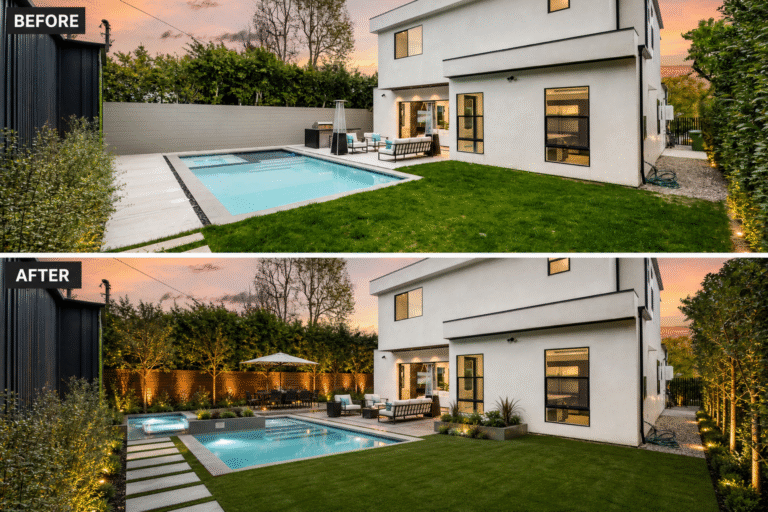
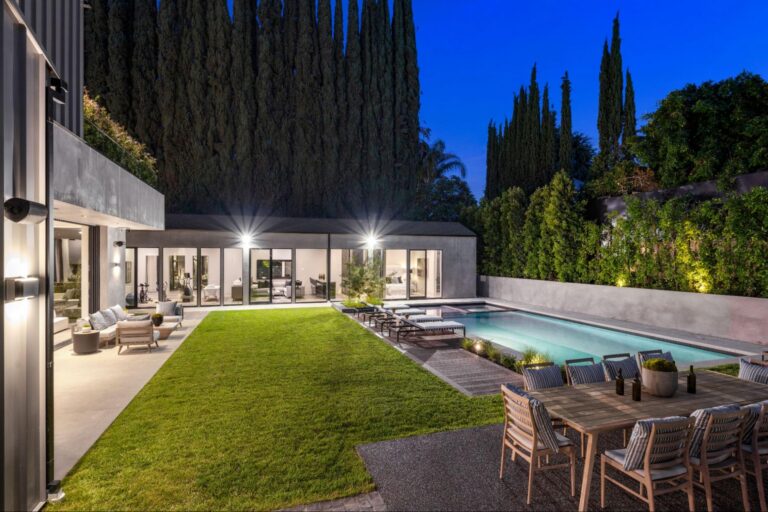
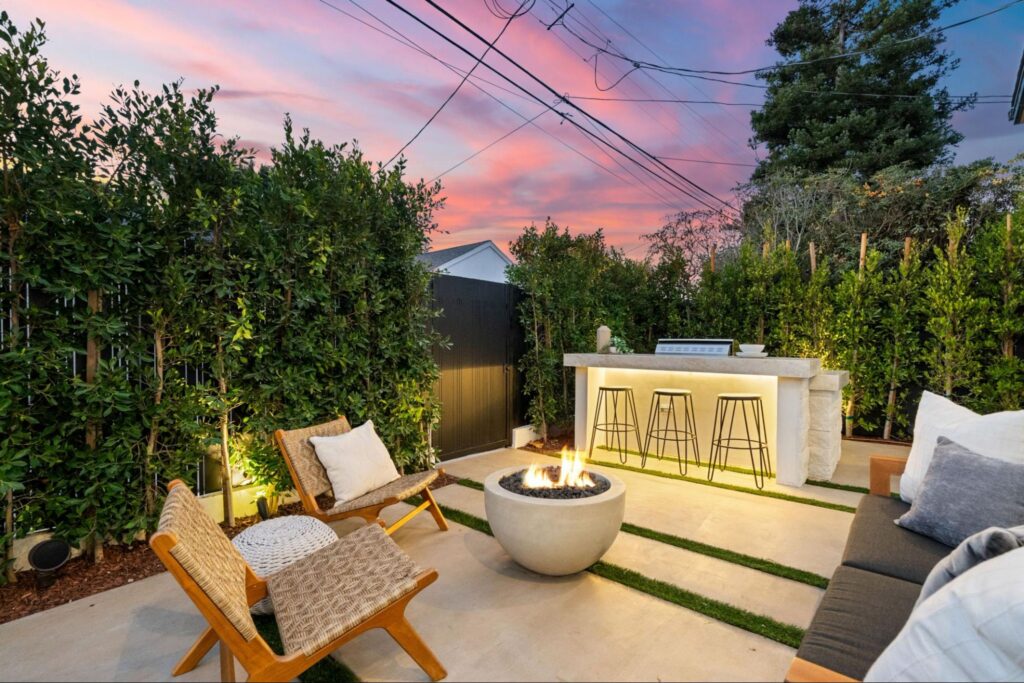
Instead of one large open yard, homeowners are creating defined zones with specific purposes. A dining area may sit next to an outdoor kitchen. A lounge area may surround a fire pit. A turf area may be reserved for children, pets, or recreation.
This approach improves circulation and makes the backyard easier to use throughout the day.
Many landscape design projects now begin by identifying how homeowners want to live outdoors before determining which features should be installed.
Patio Pavers Continue to Replace Large Lawn Areas
Large lawns are becoming less common in modern backyard design.
Homeowners are increasingly replacing unused grass with patio pavers that create stable, functional outdoor spaces. Dining areas, seating zones, gathering spaces, and entertainment areas can all be integrated into a patio layout while reducing maintenance demands.
Pavers also help organize circulation throughout the property and provide durable surfaces that hold up under regular use.
Because patios often become the foundation for outdoor living areas, they remain one of the most requested upgrades in backyard remodeling projects.
Artificial Turf Remains a Popular Low-Maintenance Solution
Water conservation and maintenance reduction continue to influence outdoor design decisions.
Artificial turf installation remains popular because it provides a clean, consistent appearance without the irrigation demands and upkeep associated with natural grass. Homeowners appreciate that turf performs well in high-traffic areas while maintaining a usable surface year-round.
This trend is especially common in family-oriented backyards where pets, children, and frequent gatherings place additional wear on traditional lawns.
When combined with pavers and planting zones, turf helps create balanced outdoor spaces that remain functional without requiring constant maintenance.
Outdoor Kitchens Are Becoming More Practical
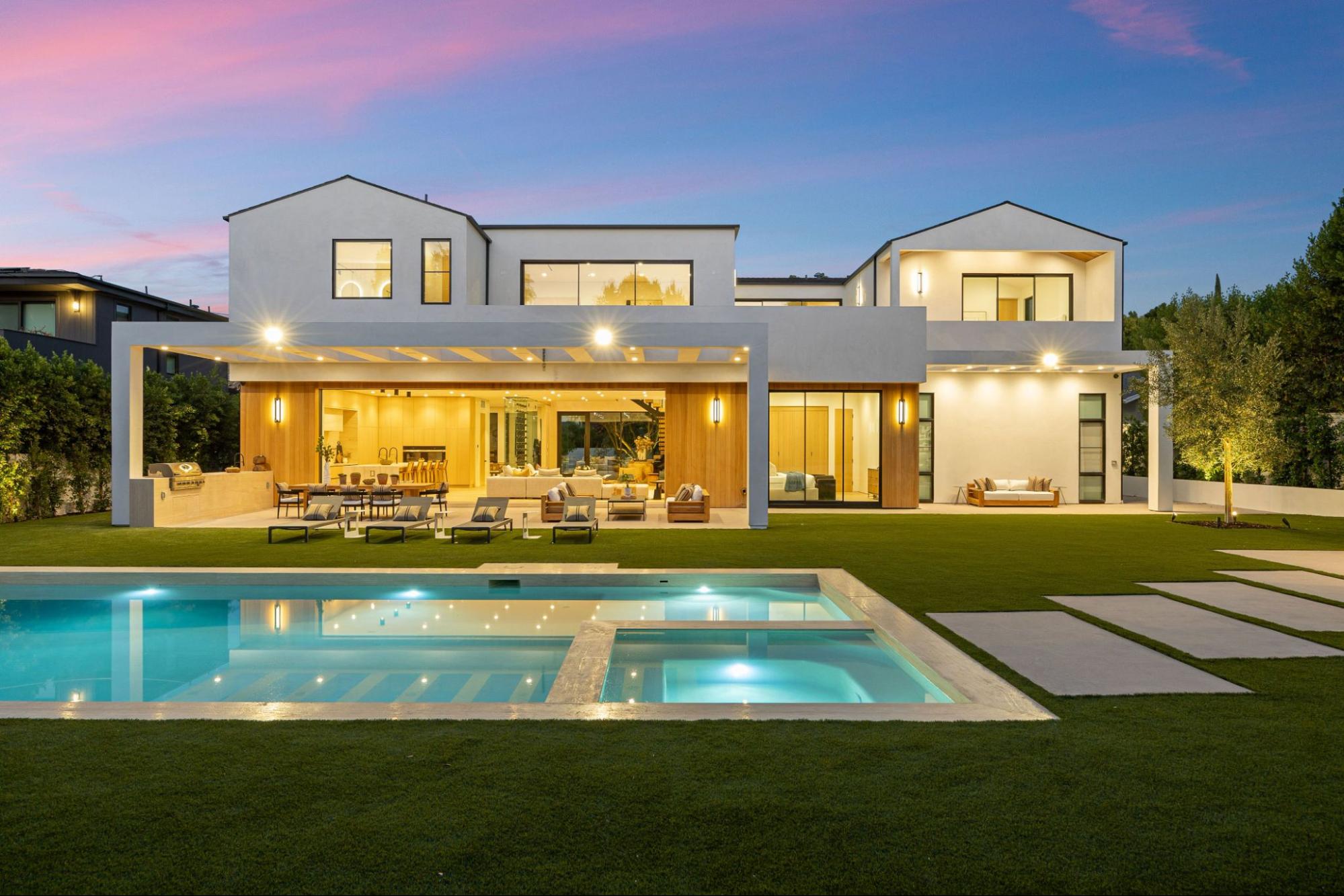
Outdoor kitchens are evolving.
Instead of oversized luxury installations, many homeowners are choosing practical layouts that support everyday use as well as entertaining. Grills, prep areas, refrigeration, storage, and seating are being integrated into outdoor spaces in ways that improve convenience without overwhelming the yard.
These installations also encourage people to spend more time outdoors by reducing the need to move constantly between the house and the backyard.
Because outdoor kitchens involve utilities, hardscape, drainage, and circulation planning, they are often incorporated into larger backyard renovation projects from the beginning.
Fire Features Continue to Define Gathering Areas
Fire pits remain one of the most popular outdoor living features because they create natural gathering spaces.
Homeowners are using fire features to extend patio use into cooler evenings while creating focal points that organize seating and circulation. Rather than placing fire pits as standalone additions, designers increasingly integrate them directly into the layout of the patio or outdoor living area.
This creates a more cohesive space and improves how the backyard functions during gatherings.
Fire features also provide year-round usability, which helps maximize the value of outdoor investments.
Shade Structures Are Becoming Essential
As temperatures continue to rise during the summer months, shade has become one of the most important elements in outdoor living design.
Pergolas and shade structures are being used to make patios, dining areas, and outdoor lounges more comfortable throughout the day. These structures also help define space without completely enclosing it.
Many homeowners discover that adding shade dramatically increases how often outdoor spaces are used, especially during peak summer months.
In some cases, a well-placed shade structure improves usability more than adding additional square footage.
Smart Irrigation Is Gaining Popularity
Many homeowners are realizing that successful landscaping depends on efficient water management.
Drip irrigation systems continue to grow in popularity because they help regulate water use while supporting healthier planting areas. Automated irrigation controls allow different parts of the landscape to receive the appropriate amount of water without requiring constant adjustments.
This trend supports both sustainability and convenience.
Plants often fail because they receive too much or too little water. Smart irrigation helps eliminate that problem by delivering water more consistently and efficiently.
Homeowners Are Planning for Future Upgrades
One of the most practical remodeling trends of 2026 is long-term planning.
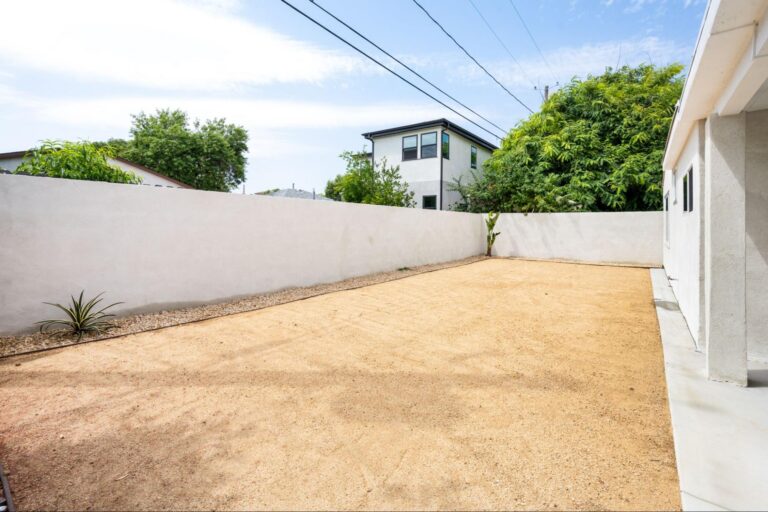
Homeowners are increasingly approaching backyard remodeling in phases rather than trying to complete everything at once. A project may begin with patio installation and drainage improvements before expanding into outdoor kitchens, fire features, or additional hardscape elements later.
Planning for future upgrades helps avoid unnecessary demolition, utility relocation, and costly redesigns.
This is one reason many homeowners work with licensed and insured companies in the Bay Area, like Westack Landscaping, when evaluating larger outdoor projects. Looking at the property as a complete system helps ensure that current improvements support future goals rather than limiting them.
Why Professional Planning Matters
The most successful backyard remodeling projects share one characteristic: they are planned before construction begins.
Drainage, grading, utilities, irrigation, circulation, hardscape, and outdoor living features all influence one another. A decision made in one area often affects several others. Poor planning can lead to unstable surfaces, water accumulation, utility conflicts, overcrowded layouts, and expensive corrections later.
For homeowners considering outdoor improvements in the Bay Area, understanding how these systems interact is often the difference between a space that simply looks updated and one that genuinely improves property value and everyday use. This is why many homeowners turn to Westack Landscaping when evaluating backyard remodeling projects that involve multiple features and long-term planning.
Frequently Asked Questions
What is the biggest backyard remodeling trend for 2026?
Creating outdoor spaces that function as extensions of the home remains one of the biggest trends in backyard remodeling.
Is artificial turf still popular in 2026?
Yes. Artificial turf continues to be popular because it reduces maintenance demands and supports water conservation.
Do patio pavers increase property value?
Patio pavers can improve usability, organization, and overall property appeal, which may contribute to increased value.
Are outdoor kitchens worth the investment?
Outdoor kitchens can improve convenience, support entertaining, and increase how often outdoor spaces are used.
Should backyard remodeling be completed in phases?
Many homeowners choose phased projects because they allow future upgrades to be integrated without unnecessary reconstruction.