When homeowners ask what landscaping services cost, the honest answer is that it depends on what is happening beneath the surface.
The complexity of the project, not just the size of the space, determines cost.
This post explains the real cost factors behind professional landscaping services so homeowners understand what drives pricing before work begins.
Site Conditions Matter More Than Square Footage
Square footage alone does not determine cost.
What matters is:
- Soil type
- Slope and grade
- Drainage behavior
- Access to the work area
- Existing structural conditions
A flat, stable yard with good drainage requires less preparation than a yard with uneven elevation, pooling water, or compacted clay soil.
The more corrections required, the more labor, equipment, and material the project demands.
Excavation and Base Preparation
Artificial turf installation and hardscaping are surface systems supported by a structure underneath.
If the ground must be excavated deeper, unstable soil removed, or additional base layers installed, the project becomes more complex.
Base work includes:
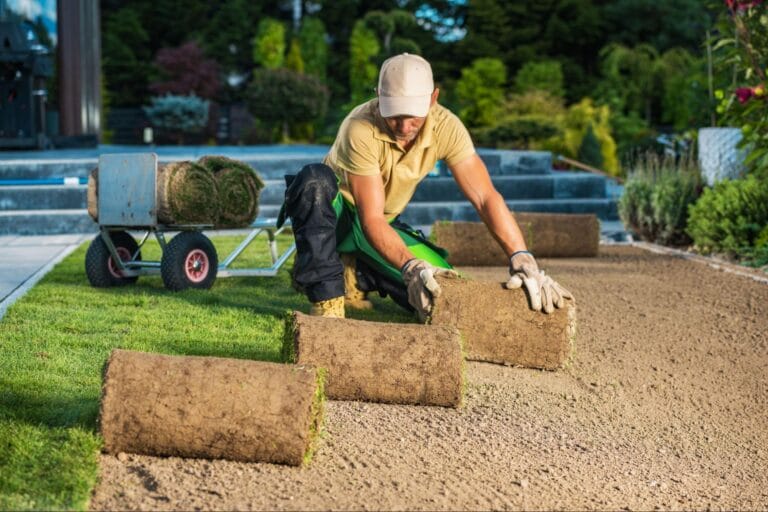
- Removing existing grass and debris
- Excavating to structural depth
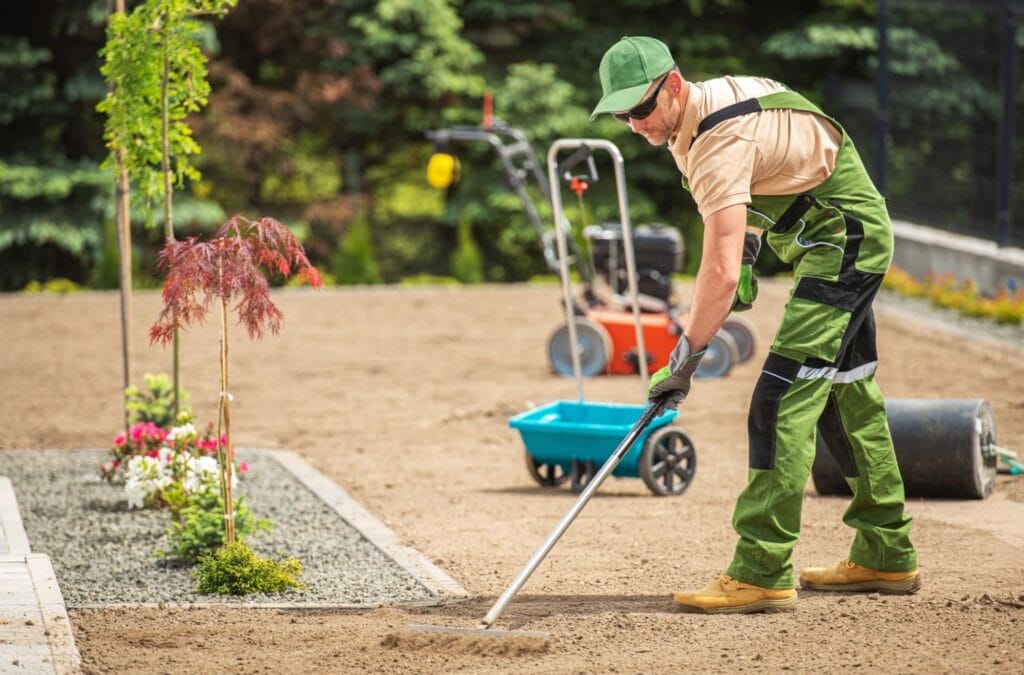
- Installing a layered aggregate
- Compacting in controlled stages
- Setting stable edge restraints
Each of these steps adds labor and equipment time. Skipping them reduces cost upfront but increases the risk of settling and surface failure later.
Drainage Correction
Water is one of the biggest hidden cost factors.
If the yard does not drain properly, grading adjustments or drainage integration may be required before installing turf or patio pavers.
Drainage work can involve:
- Reshaping slope tolerances
- Redirecting runoff
- Installing sub-base drainage
- Preventing water flow toward structures
Ignoring drainage often leads to more than surface erosion. Over time, it can cause foundation cracking from hydrostatic pressure, slab settlement due to soil washout, retaining wall failure from saturated backfill, paver displacement as the base becomes unstable, and water intrusion into crawl spaces or basements.
These types of structural issues are far more expensive to correct than addressing drainage properly at the start.
Material Selection and Coordination
Different materials require different installation techniques.
Artificial turf installation, patio pavers, and hardscaping all have unique structural requirements. Backyard remodeling projects that combine multiple elements increase coordination complexity.
When surfaces need to align perfectly, transitions must be stable, and multiple trades overlap, labor intensity increases.
Access and Equipment Requirements
Access affects pricing more than most homeowners expect.
Limited yard access may require:
- Smaller equipment
- Additional labor
- Manual material transport
- Extended installation timelines
Red Flags That Lead to Higher Long-Term Cost
Some estimates appear low because critical steps are excluded.
Common red flags include:
- No mention of grading or compaction
- No discussion of drainage
- Surface only pricing without base detail
- Vague scope descriptions
DIY Risks and Liability
DIY landscaping can seem cost-effective at first. But structural work carries risk.
Improper grading can redirect water toward foundations. Poor compaction can create uneven surfaces and trip hazards, and weak seam work in turf can separate over time.
Beyond performance issues, DIY mistakes can create:
- Property damage
- Neighbor disputes over runoff
- Voided product warranties
- Injury liability
Professional landscaping services reduce these risks by addressing structural steps correctly.
Backyard Remodeling Adds Complexity
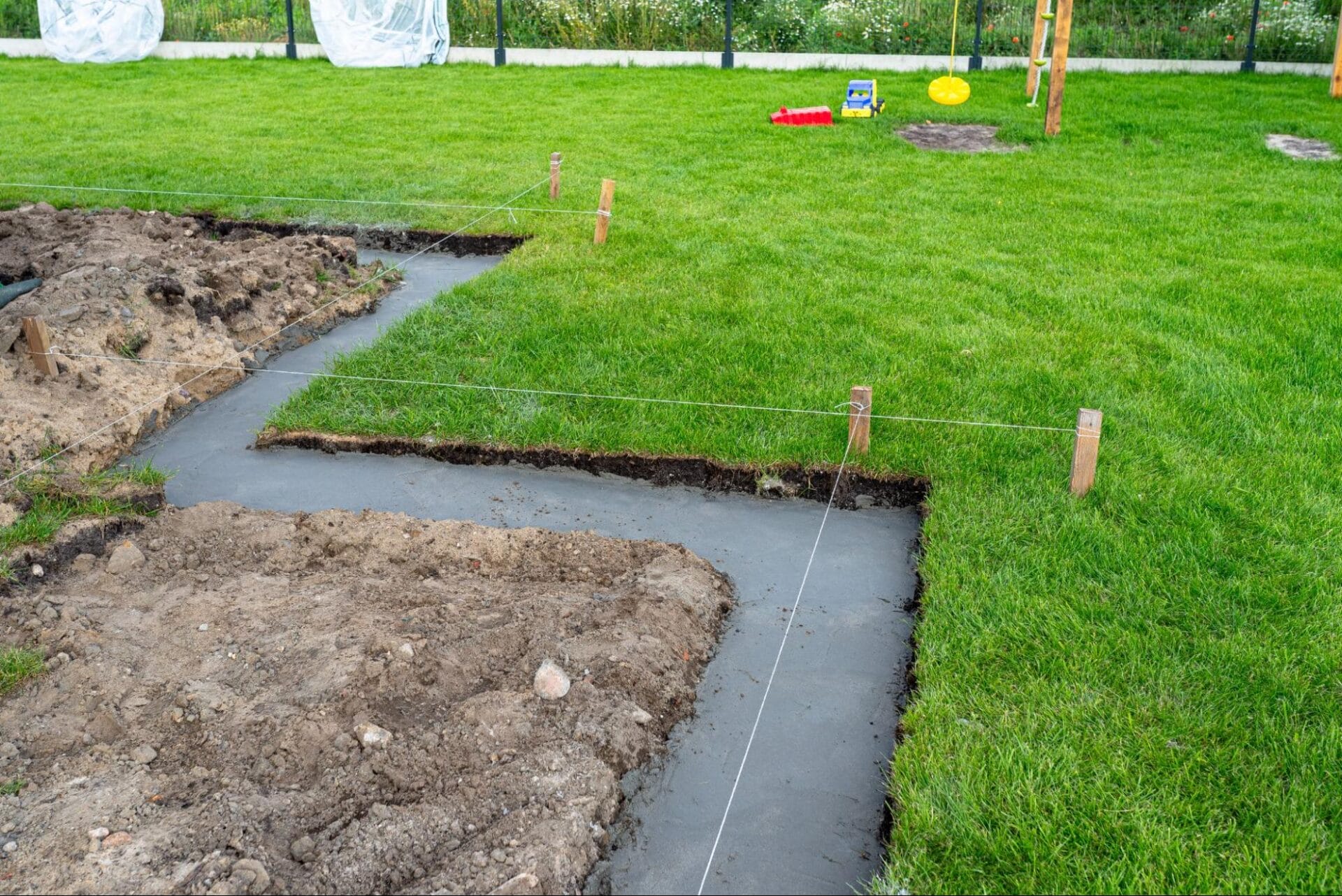
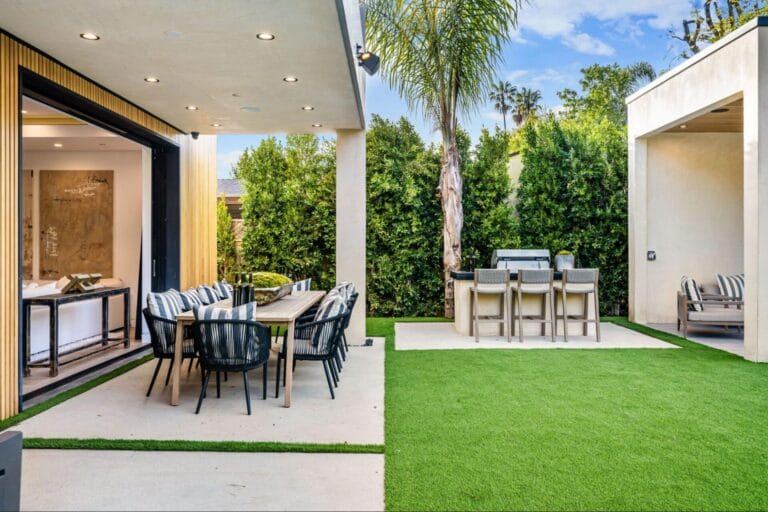
When turf, patio pavers, planting areas, and hardscaping are integrated, the layout must function as a system. Elevations must align, drainage must remain consistent, and materials must transition smoothly.
The more integrated the design, the more planning and precision are required.
Many homeowners in San Jose and San Mateo contact a trusted landscape company like Westack Landscaping when they realize the project involves more than replacing a lawn. Structural coordination demands experience.
The Real Cost Is Performance Over Time
Landscaping services are priced based on labor, structural preparation, equipment use, and long-term performance.
A surface that holds up under daily use, drains correctly, and stays stable over time reflects complexity that is often invisible once the project is complete.
Homeowners often work with Westack Landscaping because the goal is a durable outdoor space that performs correctly long after the crew leaves, improves the quality of life of the homeowners, and increases the value of the property.
Frequently Asked Questions
What affects landscaping service costs the most
Site conditions, structural preparation, drainage, and material coordination drive cost.
Is artificial turf installation expensive
Cost depends on excavation depth, base work, and drainage requirements.
Does backyard remodeling cost more than simple landscaping
Yes. Backyard remodeling involves the coordination of multiple structural elements.
Why are some landscaping estimates much lower
Lower estimates may exclude structural preparation or drainage correction.
Is DIY landscaping cheaper?
DIY may reduce upfront cost, but can increase long-term repair and liability risk.