When you build a patio or walkway in San Jose, the biggest factor that decides whether it lasts ten years or thirty is not the paver you pick. It is how well the installer understands the site.
A good hardscape design depends on how the soil behaves when it gets wet, how water moves across the slope, and how the base transfers weight once the ground expands or dries out. That is where architecture and installation meet. If the design logic is solid and the groundwork is prepared with care, a paver system can stay level and strong through many rainy seasons.
Why Pavers Perform Well in San Jose’s Climate
San Jose does not freeze much, so we do not deal with frost heave. Instead, the real test is winter rain. Long stretches of wet soil expose any weaknesses in the base. Pavers do well in this climate because they are part of a modular system. They settle together and stay locked when the foundation is engineered correctly. The surface stays stable, and any movement below tends to distribute evenly rather than crack the way concrete slabs do.
From a design standpoint, pavers also allow a level of drainage control that slabs cannot match. Water can move through the joints and into the prepared base, which keeps the surface safer and more reliable during wet months.
Understanding Soil and Water Behavior in San Jose
San Jose’s clay soil has its own personality. It swells when it gets saturated and then tightens like concrete once it dries. That movement is predictable but only if you plan for it. A professional paver installer reads the site the same way an architect studies a floor plan.
The questions are always the same. Where does water go after it rains? Which areas stay wet the longest? What parts of the soil soften first?
If those questions are ignored, pavers will sink or drift. When they are part of the design from the start, the base can be shaped and compacted to keep everything stable. Site design begins with drainage. The layout follows. The material comes last.
Choosing the Right Pavers for Patios and Walkways
Concrete Pavers
Concrete pavers are often the go-to choice because they balance strength, cost, and appearance. They come in many textures and shapes and handle winter moisture well. Their uniform thickness also makes it easier to maintain an even plane during installation.
Porcelain and Large Format Pavers
Porcelain pavers are extremely dense and absorb very little water. That makes them ideal for modern patios with clean lines and minimal joints. They do require a very accurate base, because any slight variation telegraphs to the surface. When designed well, porcelain brings a refined architectural look and excellent wet-season performance.
Natural Stone Options
Flagstone, granite, and slate offer natural variation and visual depth. These stones hold up well through wet seasons if they are set on a stable base and receive proper sealing. Each piece is shaped individually, which requires an installer who knows how to manage thickness changes and weight distribution without throwing off the grade.
Engineering the Base: What Makes Pavers Last Through Rain
Excavation and Subgrade Preparation
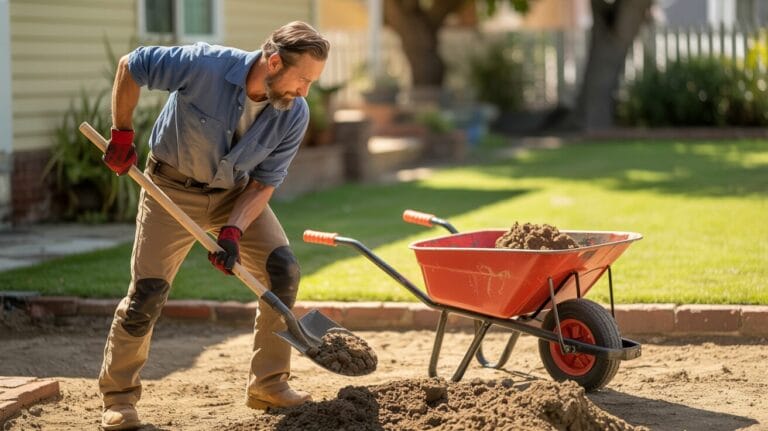
A long-lasting patio begins with removing the soil to the correct depth. Most homeowners underestimate how deep this needs to be. The installer removes soft pockets, roots, and anything organic that might collapse when saturated. The subgrade is shaped and compacted to prepare for the base rock.
Class II Base Rock and Compaction
A proper base is always built in layers. A few inches of Class II base rock is added, compacted, and then repeated until the full depth is reached. Compaction in lifts creates a dense and unified foundation that will not shift during winter rain. This layered method is what keeps the pavers from sinking or creating waves over time.
Proper Drainage Strategy
Water management is central to any hardscape design. A patio or walkway needs a gentle slope that directs water away from structures and toward safe drainage routes. If a property has problem areas where water lingers, the installation may include gravel trenches or French drains. Architects describe this as shaping the drainage plane. Installers put that theory into practice by grading the base with precision.
Installation Details That Separate Professional Work
Edge Restraints That Prevent Movement
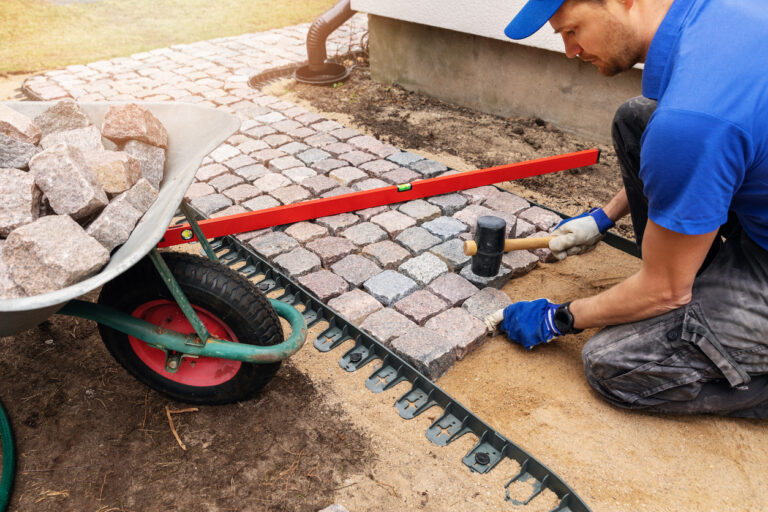
Edge restraint is the quiet hero of every stable paver system. Without it, wet soil pushes the pavers outward over time. Metal or composite edging locks the entire surface together and stops creeping during rainy seasons.
Joint Sand and Polymeric Sand
Joint material keeps the system tight. Polymeric sand hardens after watering and helps hold joints together during storms. It also reduces washout and weed intrusion. The joints are small, but they do a lot of heavy lifting in terms of performance.
Surface Leveling and Final Alignment
Installers use string lines and laser levels to maintain proper pitch and prevent water traps. It takes patience to get everything dialed in, but this is the part you notice every day when you walk across the surface.
Designing Patios and Walkways for Real Use
Traffic Patterns and Long-Term Flow
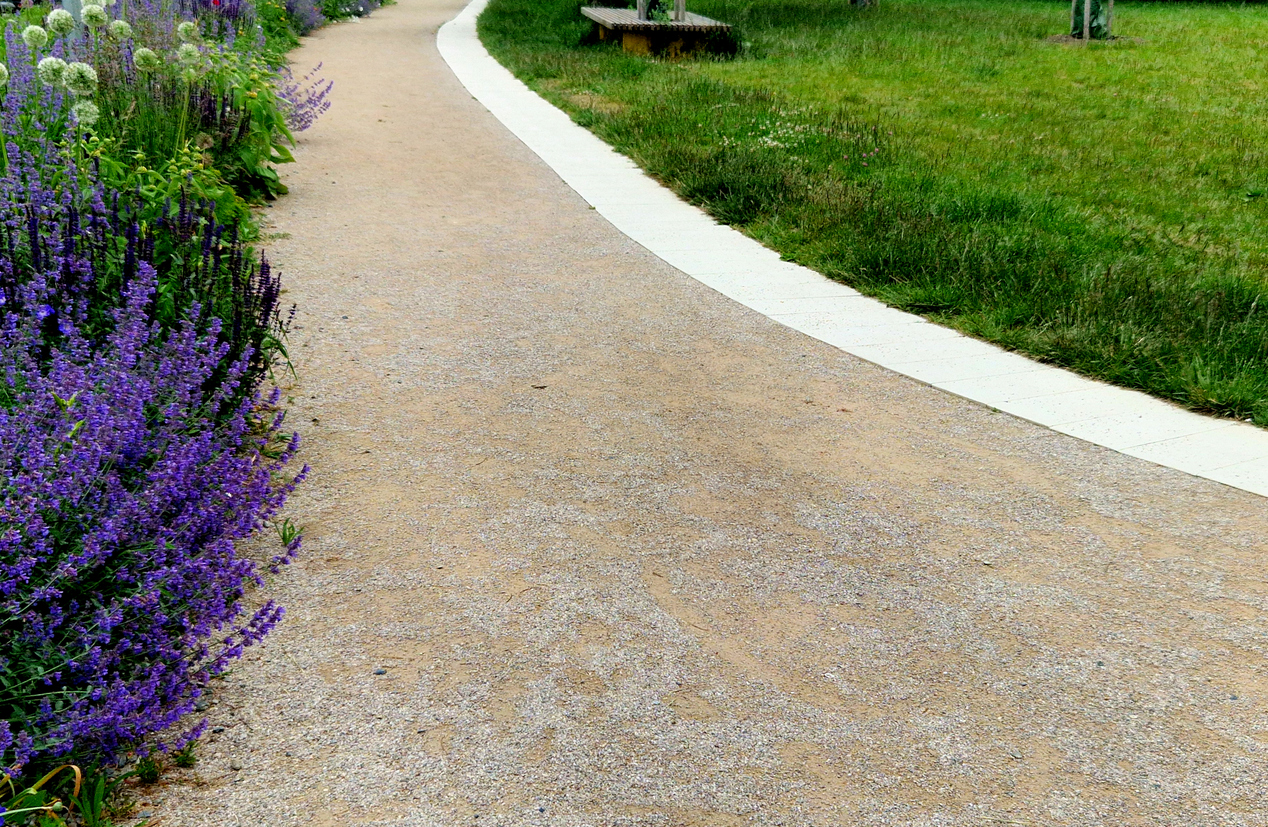
Good design considers how people move through a space. A walkway should follow the natural path of travel, not force people to zigzag. Patios should align with doors, outdoor kitchens, or seating layouts. This plays a big role in long-term function. When the flow is right, the surface wears evenly and stays stable.
Integrating Turf or Gravel Borders
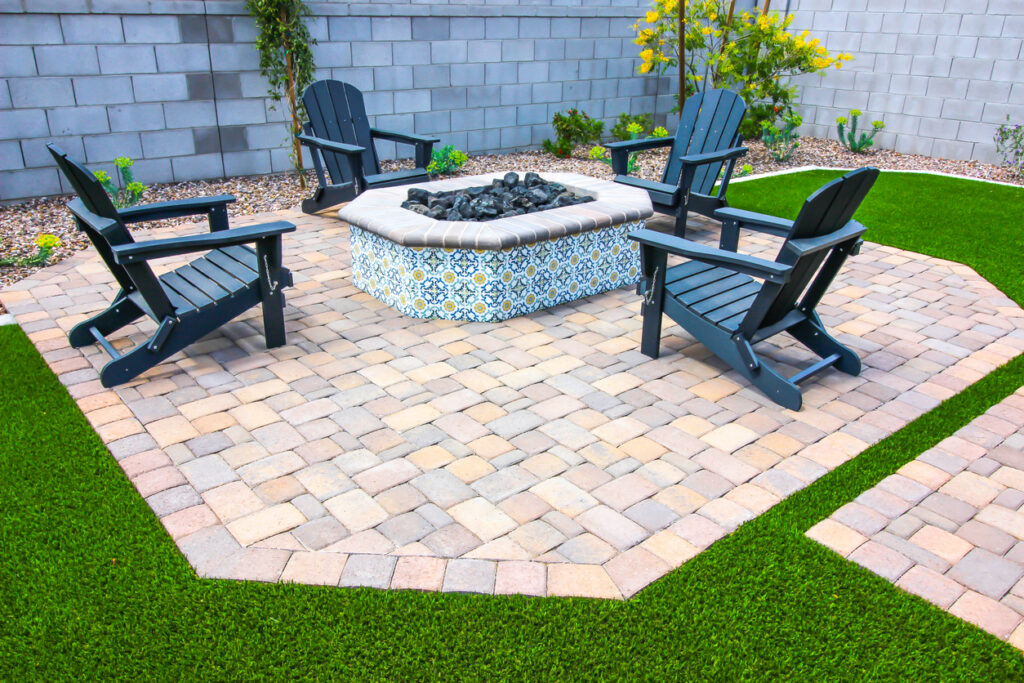
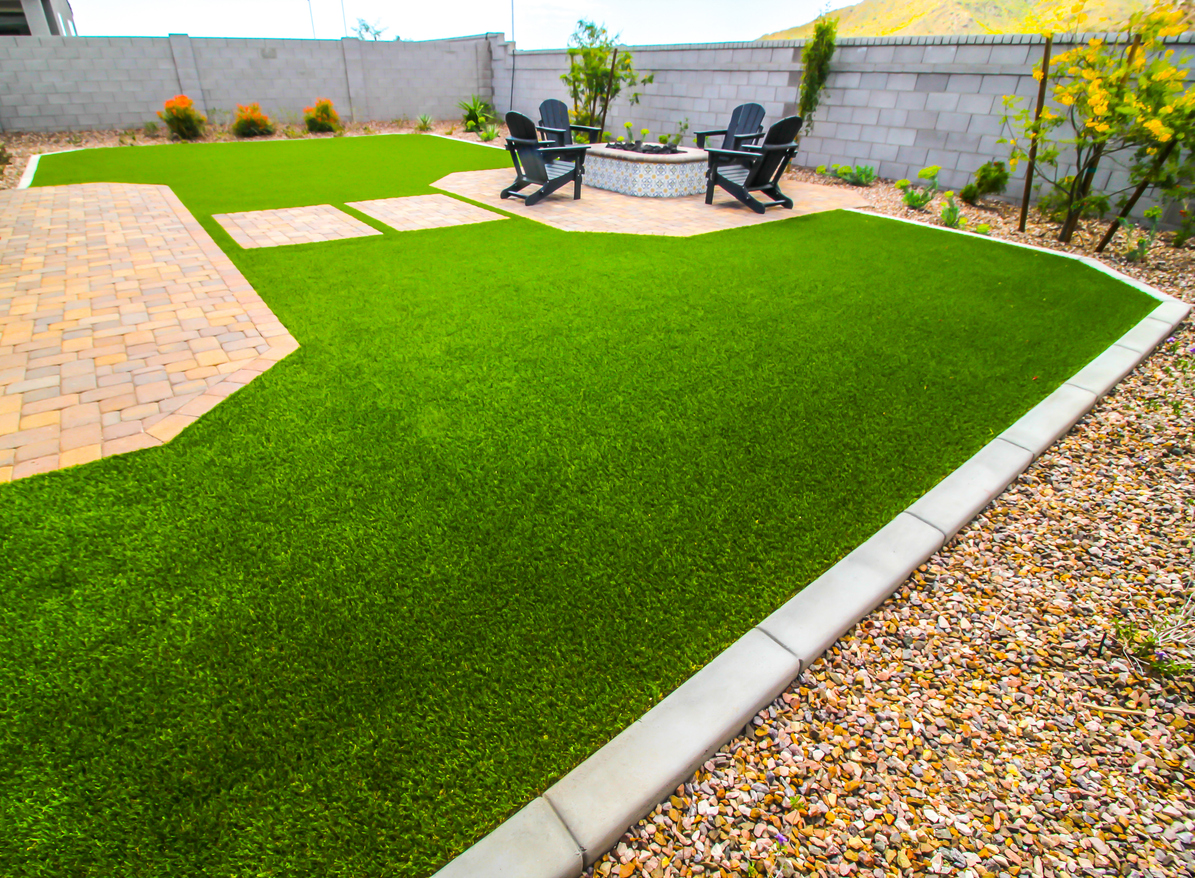
Transitions matter. Pavers next to turf need a tight border so neither surface moves. Gravel requires containment so it does not spill and wash across the hardscape. Done cleanly, these transitions define the space and support the water flow designed into the base.
Lighting and Step Visibility
Path lights and step lighting improve safety during winter evenings and help define edges without distraction. Wiring is typically installed beneath the base before compaction, so the finished surface stays clean and uninterrupted.
Why San Jose Homeowners Choose Westack Landscaping
A long-lasting patio depends on reading the site. Managing water. Building the foundation. Then set the material. Westack Landscaping follows this process on every job because the soil and winter weather here do not forgive shortcuts. The team designs paver systems that stay level, drain correctly, and match the needs of each property. If you want a patio or walkway built for real performance, Westack can handle the design and installation from start to finish.
Frequently Asked Questions
How long does a paver installation take in San Jose?
Most patios and walkways take two to four days, depending on site access and the amount of base preparation required. A site visit gives a clear schedule.
Do pavers handle heavy winter rain in the Bay Area?
Yes. With proper compaction and drainage slope, pavers remain stable and drain effectively through wet seasons.
What maintenance do pavers need during the year?
Most homeowners only sweep and rinse occasionally. Checking drainage routes before winter is helpful, and polymeric sand keeps joints secure.
Can turf be installed right next to pavers?
Yes. The connection needs firm edging so both surfaces stay aligned. Westack installs both systems and builds the transition without movement.